
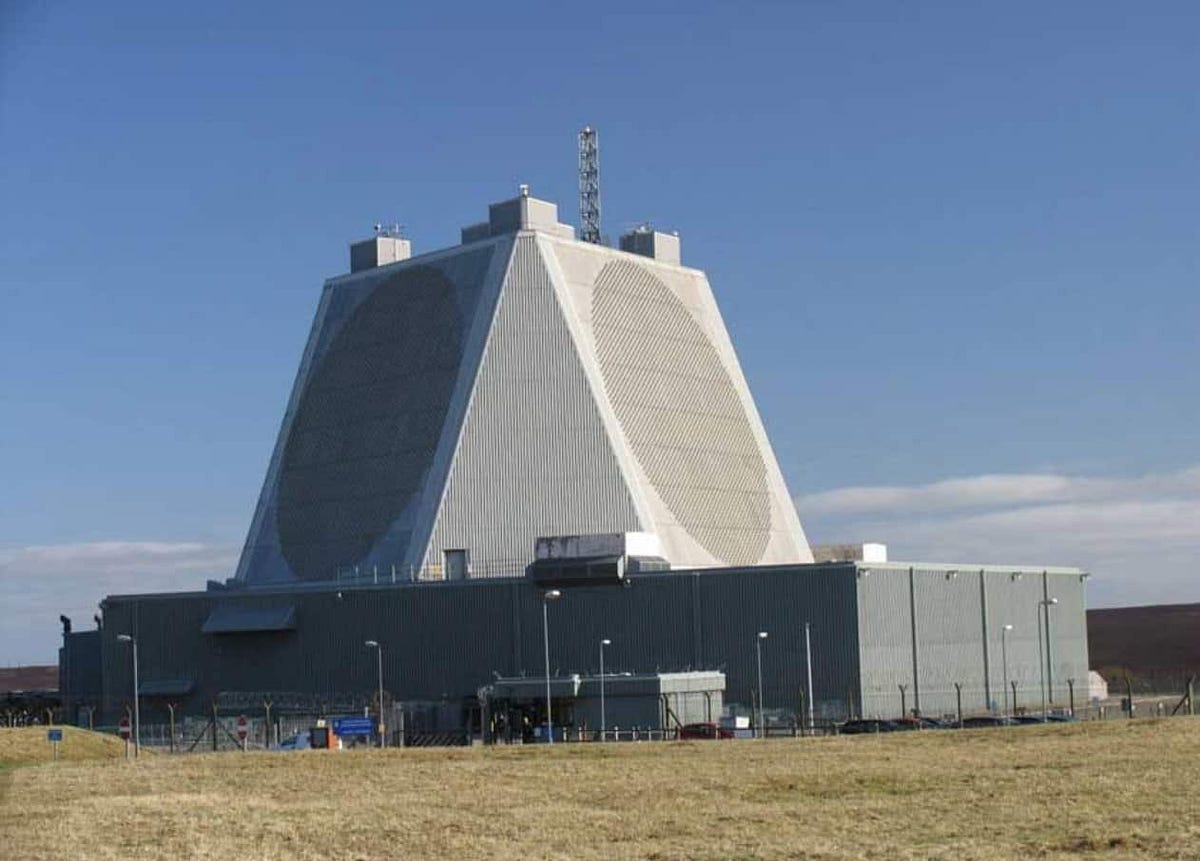
AN/TPY-2 THAAD radars possibly damaged, raising concerns over Middle East missile defense
Satellite imagery suggests that several rare U.S. AN/TPY-2 missile-tracking radars, a key component of the THAAD ballistic missile defense system, may have been damaged in recent Iranian strikes across the Middle East. The suspected attacks reportedly took place between late February and early March, affecting radar sites in the United Arab Emirates, Jordan, and Saudi Arabia, according to Defense Express.
Potential impact on missile defense systems
If confirmed, up to four AN/TPY-2 radars could have been affected. These radars are central to detecting and tracking ballistic missiles and serve as the primary sensor for THAAD batteries. Early reports indicated possible strikes near Al-Ruwais in the UAE and Muwaffaq Salti Air Base in Jordan, with subsequent analysis suggesting damage at Al-Sadr in the UAE and Prince Sultan Air Base in Saudi Arabia.
Satellite photos circulating online reportedly show smoke, impact marks, or damaged equipment, though some images may be artificially generated and should be treated cautiously.
Advanced radar technology at risk
The AN/TPY-2 radar operates in the X-band and uses gallium nitride (GaN) technology, offering high-resolution tracking of ballistic targets up to 1,000 kilometers, with some estimates exceeding 2,000 kilometers. Each THAAD battery typically relies on a single AN/TPY-2 for early detection and fire-control, and the radars are connected to regional air and missile defense networks.
Only about 20 AN/TPY-2 radars have been produced since the 1990s, each costing between $500 million and $1 billion. Replacing damaged radars could take years, and redeployment from other locations may be necessary to restore missile defense coverage in the Middle East.
Concerns over drone attacks and intelligence sharing
Analysts suggest Iranian Shahed-style drones may have been used in the strikes, exploiting gaps in radar protection. The attacks raise questions about the security of high-value missile defense assets, which are normally protected by multiple layers of air defense.
Earlier reports indicated that Russia had shared intelligence with Iran on U.S. military positions, potentially aiding Tehran in targeting American infrastructure in the region, according to The Washington Post.
The potential damage to these high-tech radar systems underscores growing concerns about Middle East missile defense vulnerabilities amid escalating regional tensions.
Source: United24 Media