


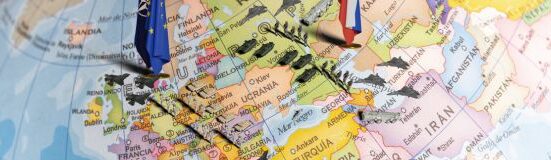


The war in Ukraine rages on, a seemingly endless conflict with devastating consequences. Millions of lives have been shattered, cities reduced to rubble, and the specter of a wider European conflict looms large. Yet, amidst the fighting, a crucial question persists: can negotiations pave the path to peace?
Stalemated Battlefield, Stalled Talks
The current situation presents a complex obstacle. On the battlefield, neither side has achieved a decisive victory. Ukrainian forces have mounted a fierce resistance, pushing back against Russian advances. However, Russia still holds significant territory, and the human cost continues to rise.
Negotiation attempts have taken place, but haven’t yielded significant results. Early talks faltered, with disagreements over core issues like Ukrainian neutrality and territorial control. Both sides continue to make demands the other seems unwilling to concede.
The Path to the Table
Despite the challenges, there are reasons to believe negotiations might eventually hold the key to ending the war. Here are some factors that could bring both sides to the table:
- War Weariness: As the war drags on, both Ukraine and Russia will likely face increasing pressure from their populations and international actors to seek a peaceful resolution. The economic strains, the loss of life, and the global instability caused by the war are unsustainable.
- Shifting Battlefield Dynamics: Significant changes on the battlefield could force one side or the other to become more open to negotiations. If Ukraine continues to make strong advances, Russia might become more amenable to concessions. Conversely, a sustained Russian offensive could pressure Ukraine to the negotiating table.
- International Pressure: The international community has a strong interest in ending the war. Continued pressure from world leaders, along with potential new sanctions, could incentivize both sides to engage in meaningful dialogue.
Challenges to Negotiation
The road to peace through negotiations will be fraught with challenges. Here are some of the biggest hurdles:
- Trust Deficit: The level of mistrust between Russia and Ukraine is immense. Years of tension and the brutality of the war have made genuine dialogue difficult.
- Conflicting Demands: Ukraine has vowed to fight for all its territory, while Russia seems unlikely to fully withdraw. Finding common ground on these core issues will be a major sticking point.
- Guarantees and Security: Even if a peace deal is reached, ensuring its long-term viability will require strong guarantees. Ukraine will need assurances of its security, potentially through international involvement.
The Long Road Ahead
Negotiations are unlikely to bring a swift end to the war. It will be a long and arduous process, demanding compromise and a willingness to move beyond entrenched positions. However, the alternative – a protracted war with ever-greater devastation – is far worse.
The international community must play a crucial role in facilitating dialogue and offering incentives for peace. Ultimately, the responsibility lies with the leaders of Ukraine and Russia to choose peace over war, to recognize the human cost of this conflict, and to find a path towards a sustainable resolution. The long road to peace may be arduous, but it is the only path towards a future where the people of Ukraine can rebuild their lives.