


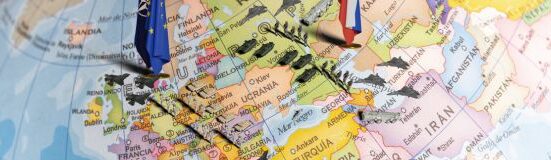


The chaotic withdrawal of US troops from Afghanistan in August 2021 sent shockwaves around the world. After nearly two decades of war, the Taliban swiftly regained control, raising questions about the future of Afghanistan and its impact on the broader region. Was this withdrawal a turning point, or simply another chapter in a long and bloody conflict?
A Legacy of War
The US invasion of Afghanistan in 2001, following the 9/11 attacks, aimed to dismantle al-Qaeda and prevent Afghanistan from becoming a safe haven for terrorists. While the Taliban regime was toppled, the war became a quagmire, dragging on for years with immense human cost and no clear path to victory.
The Fall of Kabul and the Rise of Uncertainty
The rapid collapse of the Afghan government after the US withdrawal underscored the fragility of the US-backed system. The Taliban’s return to power has sparked fears of a return to a repressive regime with a history of human rights abuses, particularly towards women and girls.
Regional Repercussions
The US withdrawal has significant implications for the region:
- Emboldened Insurgent Groups: The Taliban victory could inspire other Islamist militant groups, potentially destabilizing neighboring countries.
- Refugee Crisis: The deteriorating security situation has triggered a new wave of refugees fleeing Afghanistan, putting a strain on regional resources.
- Power Vacuum and Geopolitical Competition: The US withdrawal has created a power vacuum in Afghanistan, potentially leading to increased competition between regional powers like Pakistan, Iran, and Russia.
An Uncertain Future
The jury is still out on whether the US withdrawal marks a definitive turning point. Here are some possibilities:
- A Taliban Takeover 2.0: The Taliban may revert to their past practices, leading to a humanitarian crisis and regional instability.
- A Fragile Peace: A power-sharing agreement between the Taliban and other Afghan factions could emerge, but its stability remains questionable.
- Renewed Conflict: Resistance groups may emerge to challenge the Taliban rule, potentially leading to a protracted civil war.
The International Community’s Role
Despite the US withdrawal, the international community still has a role to play:
- Humanitarian Aid: Providing humanitarian assistance to the Afghan people is crucial to prevent a major humanitarian crisis.
- Promoting Human Rights: The international community needs to pressure the Taliban to uphold basic human rights, particularly the rights of women and minorities.
- Countering Terrorism: Vigilance is needed to ensure Afghanistan doesn’t become a breeding ground for terrorist organizations again.
A Difficult Road Ahead
The future of Afghanistan and the region remains uncertain. The US withdrawal marks a significant event, but it’s only the latest chapter in a long and complex conflict. Only time will tell what kind of turning point this withdrawal will be, and whether the international community can contribute to a more peaceful and stable future for Afghanistan and its neighbors.