



A clear and compelling look at the Sudan conflict, the escalating civil war, and the devastating humanitarian crisis pushing millions to the brink.
The Sudan conflict has spiraled into one of the world’s worst emergencies, reshaping the nation and leaving millions of people fighting for survival. What began as a power struggle between rival military leaders has evolved into a full-scale civil war, destroying cities, displacing families, and triggering a fast-deepening humanitarian crisis.
At the center of the violence is a deadly clash between the Sudanese Armed Forces (SAF) and the Rapid Support Forces (RSF). Their battle for control has torn through neighborhoods, markets, and essential infrastructure, leaving ordinary civilians trapped between shifting frontlines and constant airstrikes.
How a Political Rivalry Became a National Collapse
The breakdown began when tensions between the two military factions—once allies—boiled over into open fighting. Promises of a transition toward civilian rule collapsed overnight. What followed was a rapid descent into chaos, with each side seeking territorial dominance in urban centers and strategic regions.
International mediators have pushed for ceasefires, but most agreements have collapsed within hours, deepening public mistrust and accelerating the nation’s fragmentation.
A Humanitarian Crisis on an Unprecedented Scale
Sudan’s war has unleashed a catastrophic humanitarian crisis. More than half the population now depends on urgent assistance. Food shortages, medical supply collapses, and blocked aid routes have left entire communities cut off.
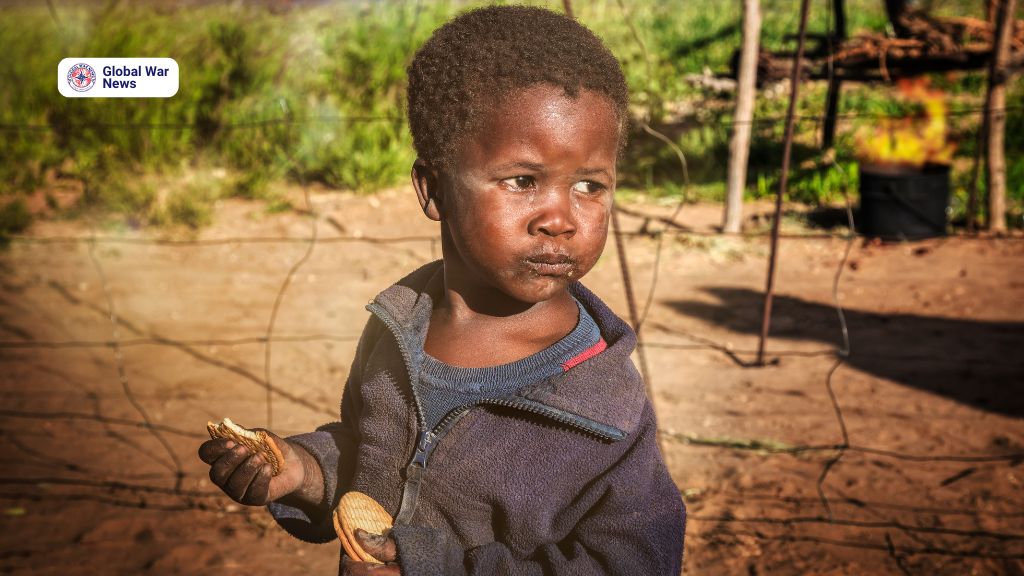
Millions have been displaced, fleeing to neighboring countries or surviving in makeshift camps with little water or electricity. Aid agencies warn that famine is imminent, and children are among the most vulnerable.
The conflict has also devastated Sudan’s health and education systems, with hospitals destroyed, schools occupied, and doctors working without equipment or electricity.
Why the World Is Paying Attention
The Sudan conflict is not isolated. It threatens regional stability, disrupts migration routes, and creates security risks across East Africa. Diplomats warn that if the civil war continues unchecked, the consequences will spill far beyond Sudan’s borders.
Yet despite the gravity of the situation, global response has been limited compared with other crises. Analysts say Sudan’s suffering is becoming a “forgotten humanitarian disaster,” receiving far less attention than it urgently needs.
What Comes Next?
As international pressure grows, the hope for meaningful negotiations remains fragile. Civilians continue to call for peace, but the path forward depends on whether the warring factions—and the global community—can prioritize saving lives over military gains.
For now, Sudan stands at a crossroads: rebuild through cooperation or continue down a path that leads to deeper collapse.
Conclusion: Stay Aware, Stay Engaged
The world cannot afford to look away from Sudan. If this article helped you understand the scale of the humanitarian crisis, please follow, share, or comment to help raise awareness and support ongoing coverage of this devastating civil war.