
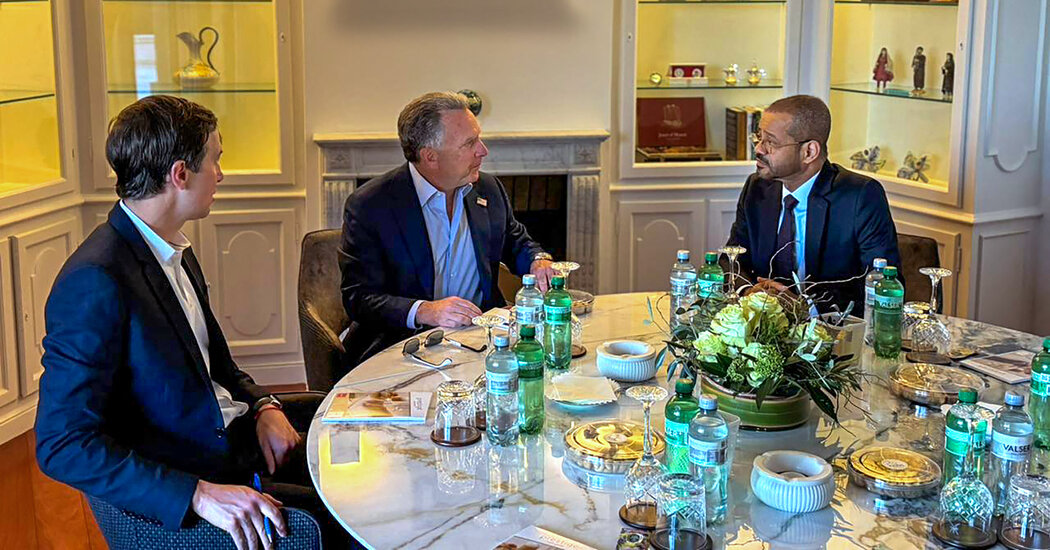
US-Iran nuclear talks stall in Geneva with no breakthrough on uranium enrichment, raising fears of war and military strikes in the Middle East.
High-stakes US-Iran nuclear talks ended in Geneva on Thursday without a deal, deepening concerns about a possible war threat as Washington weighs military options in the region.
Iranian Foreign Minister Abbas Araghchi said “good progress” had been made and described the discussions as one of the “most intense and longest rounds of negotiations.” Omani mediators confirmed that further nuclear talks would resume at a technical level next week in Vienna.
However, there was no clear evidence that the two sides had moved closer on the core dispute: uranium enrichment and the fate of Iran’s highly enriched uranium stockpile.
Uranium Enrichment at the Heart of the Dispute
The United States is demanding permanent guarantees that Iran will not enrich uranium to levels that could enable it to build a nuclear weapon. Washington also wants strict inspection mechanisms to verify compliance.
Iran, which denies seeking nuclear weapons, insists that its right to uranium enrichment is a matter of national sovereignty. Tehran has rejected calls to permanently dismantle its nuclear facilities or ship its enriched uranium stockpile abroad.
One Iranian official said proposals involving “zero enrichment forever” or transferring uranium stocks to the US were “completely rejected.”
The International Atomic Energy Agency (IAEA) has reported that Iran possesses about 400kg of uranium enriched to 60% purity—close to weapons-grade—as well as roughly 8,000kg enriched to lower levels. The location of some of this material remains unclear.
Rising War Threat in the Middle East
The collapse of a deal comes amid a significant US military buildup in the region. President Donald Trump has deployed two aircraft carrier strike groups, submarines equipped with Tomahawk missiles, and additional air assets.
Analysts say Trump now has the capability to launch either targeted strikes aimed at pressuring Tehran or a broader military campaign. However, such action would mark one of the largest US interventions in the Middle East in decades.
Domestic pressure is also mounting in Washington. Democrats have called for a congressional vote on any potential military action, while recent polling shows more than half of Americans do not trust the administration’s judgment on the use of force abroad.
Missile Program Adds to Tensions
Another sticking point is Iran’s ballistic missile program. US Secretary of State Marco Rubio said Iran’s refusal to discuss missile range expansion is a “big problem.” Tehran, however, insists its missiles—some capable of reaching 2,000 kilometers—are purely defensive and not open for negotiation.
Iran has also ruled out discussing its regional alliances or support for armed groups as part of the current US-Iran nuclear talks.
What Comes Next?
Despite the lack of a breakthrough, mediators described the atmosphere as constructive and said “creative ideas” were being exchanged. The IAEA’s director general, Rafael Grossi, is expected to play a key role in verifying any future agreement.
For now, negotiations remain fragile. With no resolution on uranium enrichment, unresolved stockpile questions, and an expanding US military presence, the war threat continues to cast a shadow over diplomacy.
Source: The Guardian