
U.S. Defense Secretary Pete Hegseth questions Iran leader’s ability to govern as conflict with Iran escalates
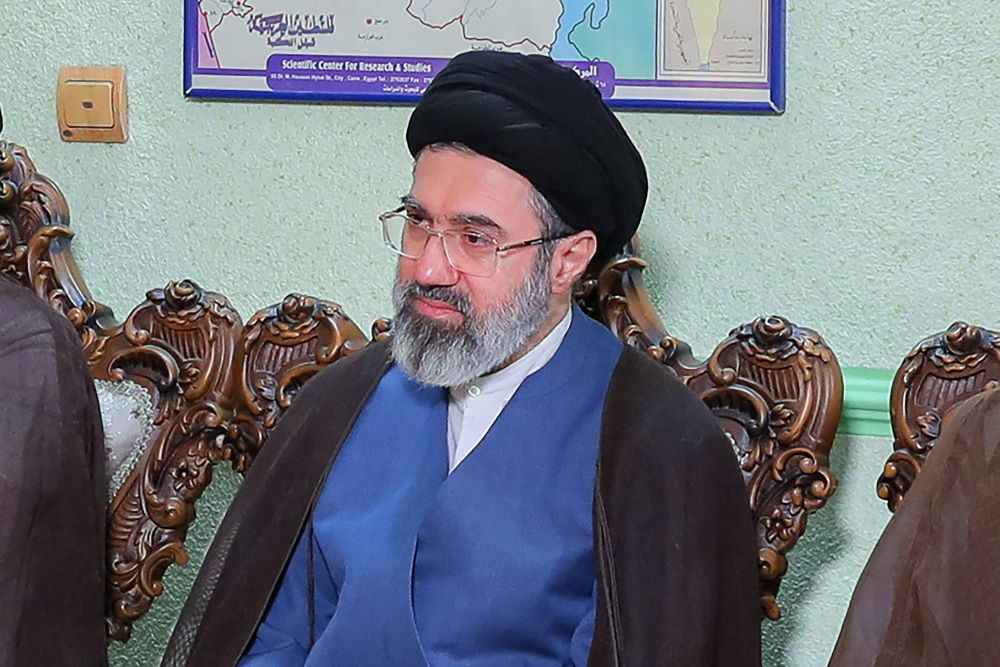
The new Supreme Leader of Iran, Mojtaba Khamenei, has been wounded and possibly disfigured, according to remarks from U.S. Defense Secretary Pete Hegseth, raising questions about the leader’s ability to govern during the ongoing war between Iran, the United States, and Israel.
Speaking at a Pentagon briefing on Friday, Hegseth said the Iranian leader appeared injured and in hiding, noting that no video or voice recordings of him have been released since the conflict began.
“We know the new so-called not-so-supreme leader is wounded and likely disfigured,” Hegseth said. “There was a written statement yesterday, but no voice and no video. Iran has plenty of cameras and recorders — so why only a written statement?”
The remarks come after an Israeli strike earlier in the war reportedly killed several members of Khamenei’s family, including his father and wife, leaving him as Iran’s new top authority.
Iran says injuries are minor
Iranian officials have acknowledged that Mojtaba Khamenei was injured, but insist the wounds were not serious.
An Iranian official told reporters earlier this week that the injuries were “light.” Iran’s ambassador to Japan, Peyman Saadat, also dismissed claims that the leader’s health would affect his rule.
“He suffers from injuries from the current war,” Saadat said in a television interview. “But not in a way that prevents him from functioning. He is a functioning leader.”
Despite the conflicting claims, no confirmed images or videos of the leader have appeared publicly since the strike.
Iran threatens to close Strait of Hormuz
In a written statement broadcast on Iranian television, Khamenei vowed to keep the Strait of Hormuz closed, a key global oil shipping route.
He also warned neighboring countries to shut down U.S. military bases on their territory or risk Iranian retaliation.
The threat has raised concern among global security experts, as any disruption to the Strait of Hormuz could impact international energy markets.
U.S. expands military presence
During the briefing, Hegseth and General Dan Caine, chairman of the Joint Chiefs of Staff, emphasized that the United States would continue aggressive strikes against Iranian military capabilities.
Over the past 14 days, the U.S. military says it has struck more than 6,000 targets across Iran, focusing on missile systems, drones, and naval forces.
To strengthen operations in the region, the Pentagon is sending additional troops and naval forces, including the amphibious assault ship Tripoli and its Marine Expeditionary Unit.
Officials say roughly 2,500 additional Marines and sailors will deploy to the Middle East as the conflict intensifies.
Casualties rise in ongoing conflict
The war between Iran, the United States, and Israel has already resulted in significant casualties.
Nearly 2,000 people have reportedly been killed in Iran since the airstrikes began on February 28, according to regional estimates.
The U.S. military has also suffered losses. Six American service members died Friday when a U.S. military refueling aircraft crashed in western Iraq. Officials say the incident involved another aircraft but was not caused by hostile fire.
In total, 11 U.S. troops have died since the conflict began.
Meanwhile, Iranian drones have been reported flying toward several Gulf nations, including Kuwait, Iraq, the UAE, Bahrain, and Oman, raising fears that the war could spread further across the region.
Source: KSL