
Regional tensions ease as GCC allies unite amid escalating Iranian missile and drone attacks
The ongoing Iran war has created an unexpected opportunity for Saudi Arabia and the UAE to set aside longstanding bilateral tensions and reinforce Gulf Cooperation Council (GCC) solidarity. Before the conflict began on February 28, 2026, disputes between Riyadh and Abu Dhabi over influence in Yemen, Sudan, and Somalia had strained relations, with the two powers pursuing competing agendas.
However, the unpredictable nature of the war, particularly Iran’s retaliatory strikes across GCC member states, has pushed Emirati President Sheikh Mohammed bin Zayed Al Nahyan and Saudi Crown Prince Mohammed bin Salman Al Saud to coordinate more closely. In recent calls, the two leaders discussed escalating regional threats and emphasized the cessation of military escalation.
Much of the friction between the UAE and Saudi Arabia stemmed from Abu Dhabi’s growing alignment with Israel in regional affairs, including backing the Southern Transitional Council in Yemen, Somaliland, and the Rapid Support Forces in Sudan, whereas Saudi Arabia traditionally supported central governments and state sovereignty.
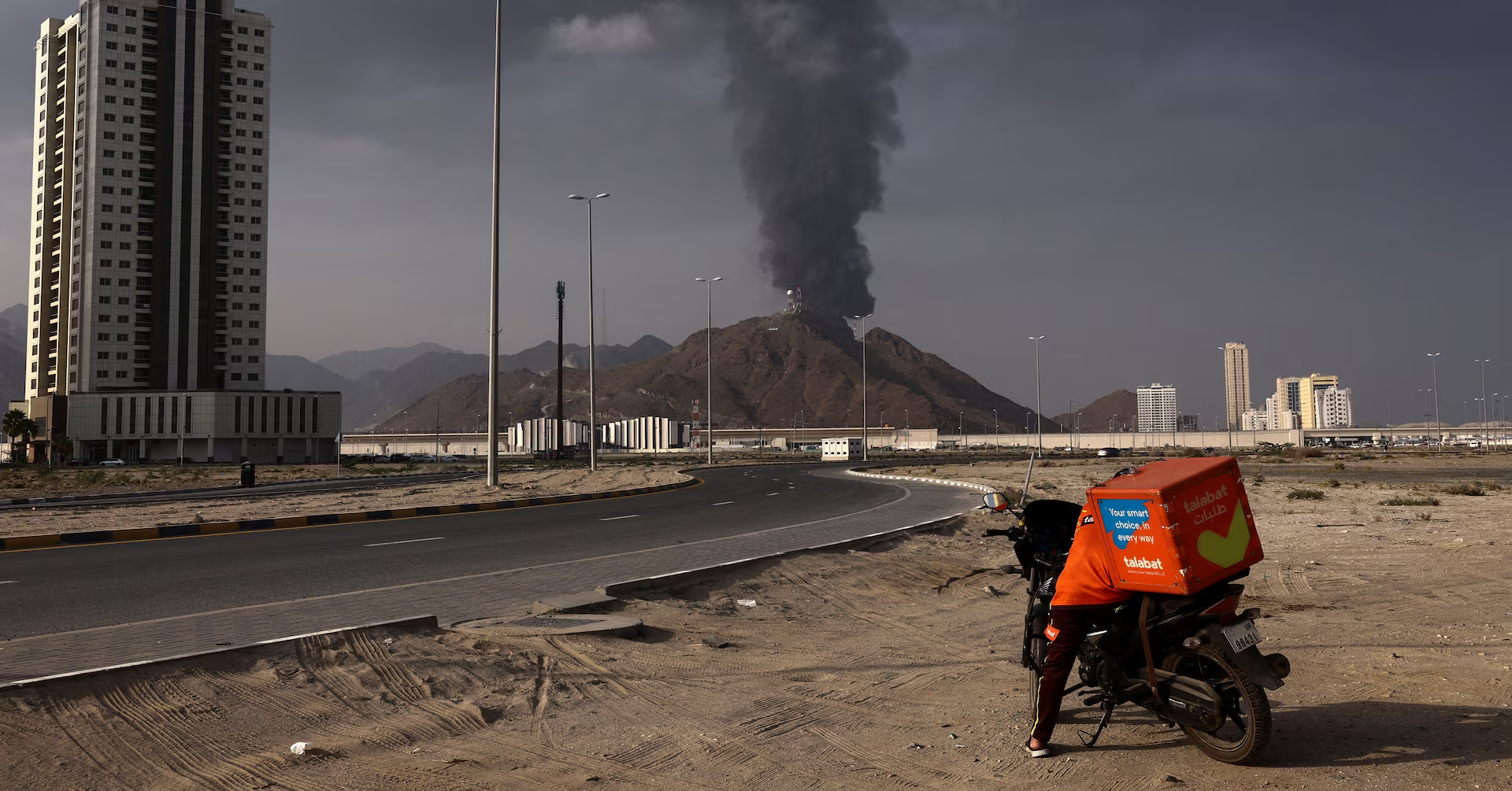
With Iran firing thousands of drones and missiles targeting GCC states, including the UAE, both countries now prioritize regional stability and economic security. Iranian strikes have hit civilian and strategic sites, including Dubai International Airport, Jebel Ali Port, Abu Dhabi’s Ruwais Industrial Complex, and Al-Dhafra Air Base, causing damage to energy infrastructure, commercial hubs, and critical data centers.
Experts note that the UAE’s economic model and small size make it particularly sensitive to regional instability. Peace and stability are central to attracting foreign investment, tourism, and skilled labor, which have been threatened by Iranian attacks. The war has underscored the limits of relying solely on U.S. security guarantees, as both Gulf Arab states face direct exposure to regional hostilities.
Analysts argue that the UAE’s foreign policy remains pragmatic and cautious, aligning more closely with Saudi Arabia than Israel on Iran-related issues. Both nations aim to avoid Iranian state collapse, fearing power vacuums, refugee flows, and the proliferation of weapons in the Gulf. While Abu Dhabi may favor a weakened Iran, regime change or secessionist outcomes are considered high-risk scenarios.
The war has highlighted a renewed GCC unity, with Saudi Arabia and the UAE cooperating to mitigate threats from Iran, protect economic interests, and maintain regional stability in a volatile Middle East.
Source: Amwaj