
Drone strike disrupts Russia oil refinery output, deepening energy supply crisis
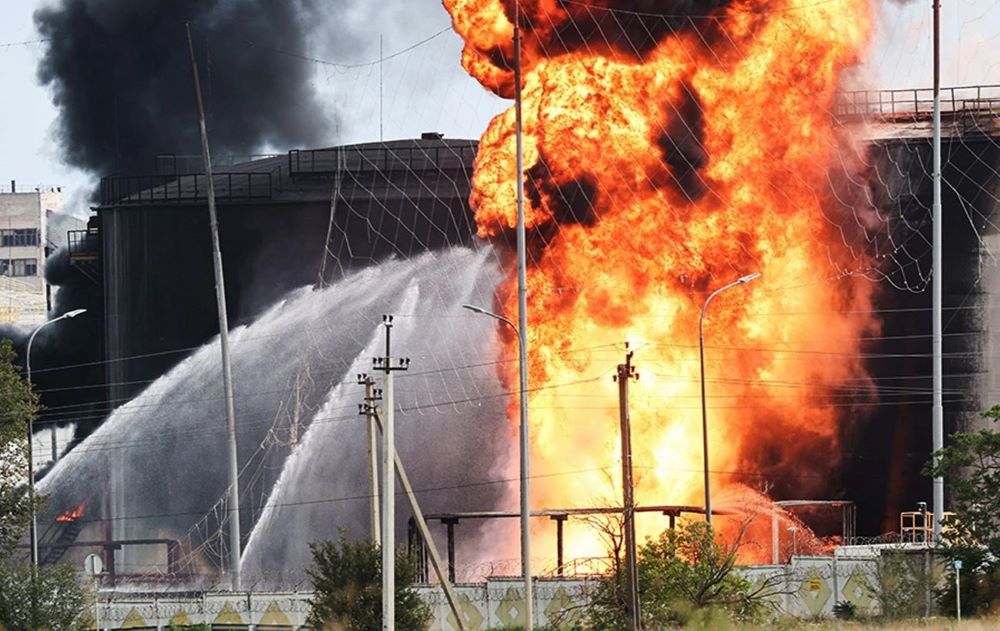
Russia’s Kirishi oil refinery, one of the country’s largest, has halted operations following a Ukrainian drone attack that sparked fires across key processing units, industry sources revealed.
The refinery, operated by Surgutneftegaz, was forced to stop production after repeated strikes damaged both primary and secondary refining units, raising concerns over Russia’s already strained oil supply system.
Fires Damage Critical Infrastructure
Sources reported that multiple sections of the refinery caught fire after the attack, making it difficult to assess how long repairs will take. The extent of the damage remains unclear, but the shutdown marks a significant disruption to Russia’s refining capacity.
Regional officials confirmed that more than 20 drones were intercepted over the Leningrad region, where Kirishi is located. According to Governor Alexander Drozdenko, the attack caused damage in an industrial zone, though details were limited.
Major Blow to Russia’s Oil Output
The Kirishi refinery plays a crucial role in Russia’s energy sector:
Processes around 17.5 million metric tons of oil annually
Accounts for roughly 6.6% of Russia’s total refining capacity
Produces key fuels including gasoline, diesel, fuel oil, and bitumen
The shutdown is expected to tighten domestic fuel supplies and increase pressure on global energy markets.
Growing Pressure on Energy Infrastructure
This latest attack adds to a series of disruptions affecting Russia’s oil sector. Nearly 40% of its crude export capacity has already been impacted due to:
Drone strikes on infrastructure
Seizures of oil tankers
Closure of key pipelines
Just a day earlier, major Baltic export terminals at Primorsk and Ust-Luga also suspended operations following similar attacks, further amplifying market uncertainty.
Escalating Energy War
Ukraine has intensified strikes on Russia’s energy infrastructure, aiming to weaken its war economy by targeting critical oil facilities. Analysts warn that continued attacks could lead to long-term supply disruptions and heightened volatility in oil prices worldwide.
Source: Reuters