
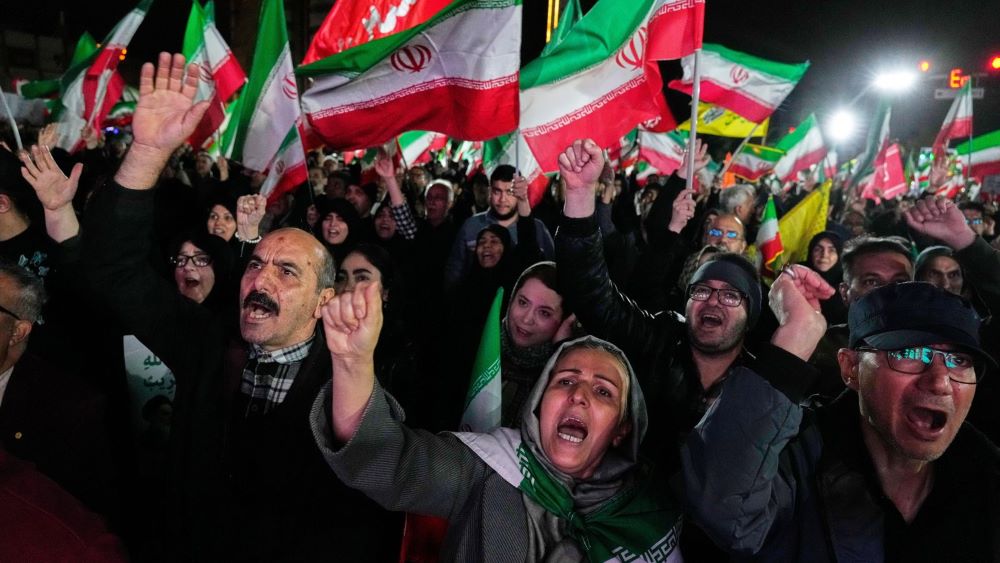
Two-week US-Iran ceasefire eases tensions, reopens Strait of Hormuz, and sets stage for crucial peace talks
A two-week ceasefire between the United States and Iran has brought a temporary halt to more than 40 days of escalating conflict that had pushed the Middle East dangerously close to a wider war. The truce, brokered by Pakistan, pauses US and Israeli military strikes on Iran, while Tehran has agreed to reopen the Strait of Hormuz, a critical global shipping route. The agreement has already eased pressure on global energy markets, but it remains a fragile pause with major unresolved issues.
Key Terms of the Ceasefire
Under the agreement, both sides have made limited but crucial commitments aimed at immediate de-escalation. The United States will stop its military operations against Iran for two weeks, while Iran has agreed to halt retaliatory strikes during the same period. A central element of the deal is the reopening of the Strait of Hormuz, through which nearly one-fifth of the world’s oil and gas supply flows. The move is expected to stabilize disrupted shipping routes and calm global energy prices. The ceasefire also creates space for urgent diplomatic talks to begin.
What the United States Has Agreed To
Washington has stated that its military objectives have been achieved, signaling readiness to move toward diplomacy. Reports suggest that a proposed framework from Iran includes a non-aggression commitment, possible acceptance of Iran’s nuclear program, and calls for the lifting of sanctions, release of frozen assets, and even withdrawal of US forces from the region. However, US officials have not confirmed many of these points publicly, leaving significant uncertainty. The US continues to emphasize that Iran’s nuclear activities must be addressed, even as Tehran denies seeking nuclear weapons.
What Iran Has Agreed To
Iran has accepted the ceasefire on the condition that all attacks against it stop, agreeing to suspend its own military response for the duration of the truce. It has also committed to ensuring safe passage for ships through the Strait of Hormuz, coordinating movements with its armed forces. Reports indicate that Iran may introduce transit fees for ships, potentially to fund post-war reconstruction efforts. At the same time, Tehran has firmly stated that its ballistic missile program is not open for negotiation, highlighting a key sticking point for future talks.
Israel’s Position
Israel has aligned with the ceasefire in terms of halting strikes on Iran, but its broader military posture remains unchanged. Prime Minister Benjamin Netanyahu has indicated that the agreement does not extend to Israeli operations in Lebanon, where tensions involving Hezbollah persist. This has created ambiguity around the scope of the ceasefire and raised concerns about whether regional conflict could continue despite the pause between Washington and Tehran.
Why the Strait of Hormuz Is Critical
The Strait of Hormuz remains a focal point in the agreement due to its global economic importance. Its reopening restores the flow of vital energy supplies and reduces volatility in oil and gas markets. However, Iran’s role in overseeing passage through the strait means it continues to hold significant strategic leverage, which could influence future negotiations and regional stability.
What Happens Next
Attention now turns to upcoming negotiations in Islamabad, where US and Iranian officials are expected to engage in high-stakes talks under Pakistani mediation. The goal is to transform the temporary ceasefire into a long-term agreement. However, major challenges remain, including disagreements over sanctions relief, nuclear policy, and regional military presence. Analysts warn that while the ceasefire has shifted the situation toward diplomacy, it could still collapse if talks fail.
The Bottom Line
The US-Iran ceasefire represents a brief but significant pause in hostilities, offering a chance to prevent further escalation and reopen critical global trade routes. However, with deep divisions still unresolved, the coming negotiations will be decisive in determining whether this moment leads to lasting peace or renewed conflict.
Source: Al Jazeera & Reuters