
Lebanon Crisis Deepens as Israeli Attacks Overwhelm Beirut Hospitals and Healthcare System
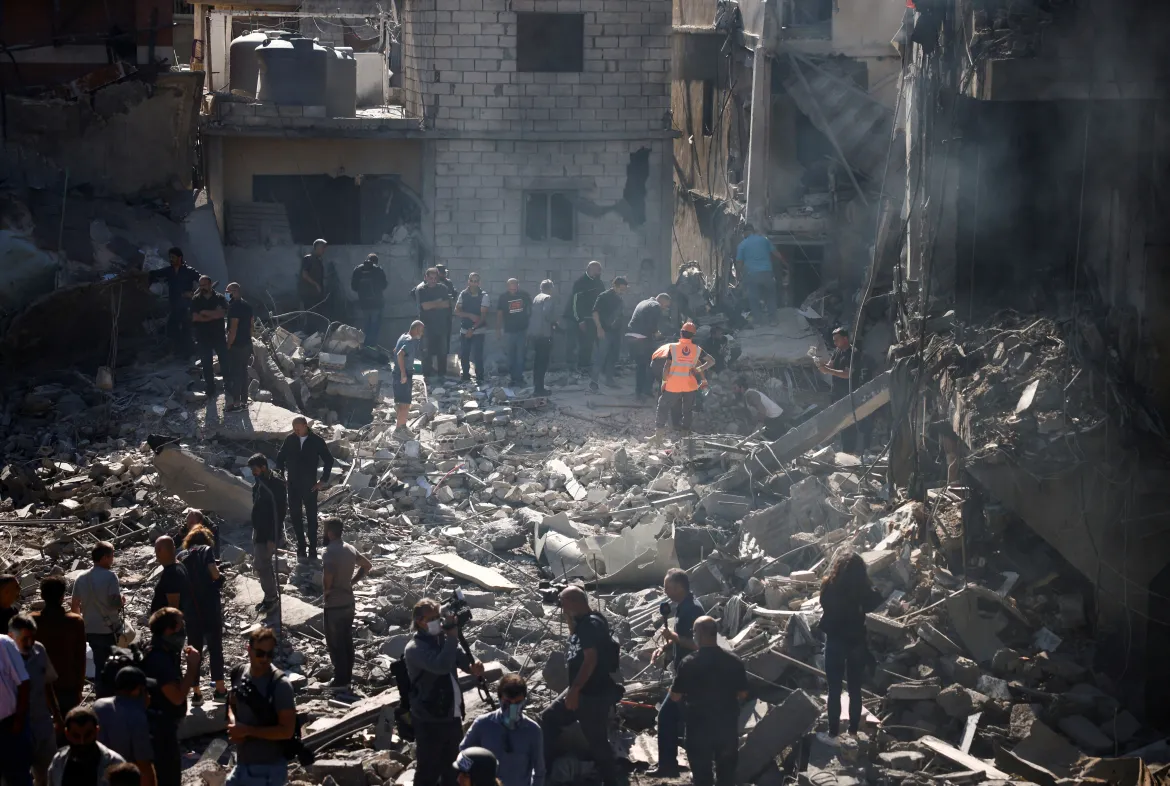
Hospitals in Beirut, Lebanon, are struggling to cope after a wave of Israeli airstrikes that left hundreds dead and injured, pushing the country’s already fragile healthcare system to the brink.
Mass Casualties Overwhelm Beirut Hospitals
At the American University of Beirut (AUB) Hospital, doctors described scenes of chaos as injured civilians, including children, flooded emergency wards. According to medical staff, the hospital received dozens of critically wounded patients within hours, with several deaths recorded shortly after arrival.
Dr. Salah Zeineldine, AUB’s chief medical officer, said the facility had never experienced such intensity. Many of the injured were civilians, including young children, babies, women, and the elderly, suffering severe trauma from collapsing buildings and blast impacts.
The Lebanese Ministry of Public Health reported a preliminary death toll of 303 people, with more than 1,150 injured across multiple regions.
Hospitals Push Beyond Capacity
Other hospitals in Beirut, including Rafik Hariri University Hospital and Hotel-Dieu de France, also reported overwhelming pressure. Medical staff described families searching for loved ones, bringing photographs, and pleading for information amid the chaos.
The Lebanese Red Cross called the situation a “nightmare,” warning that hospitals are operating under extreme strain with limited medical supplies, staff fatigue, and ongoing emergency admissions.
Critical Shortages and Healthcare Collapse Risk
Doctors warned that Lebanon’s healthcare system crisis is being worsened by shortages of medicines, trauma kits, and fuel for hospital generators. The World Health Organization cautioned that some hospitals could run out of essential emergency supplies within days.
Medical experts said that Lebanon’s broader economic collapse has made it even harder to import critical healthcare materials, leaving hospitals increasingly vulnerable during mass casualty events.
Civilians Bear the Brunt of Airstrikes
Health workers emphasized that all patients were civilians, many injured in residential areas struck during widespread bombing operations. Officials said entire neighborhoods were affected, with buildings collapsing and trapping residents under rubble.
Despite claims that the strikes targeted militant positions, doctors reported that victims included children, families, and elderly residents, underscoring the severe humanitarian impact.
A System Under Extreme Pressure
Even as hospitals continue to operate, medical professionals warned that repeated strikes could push Lebanon’s healthcare infrastructure beyond recovery. Power shortages, fuel constraints, and supply disruptions are compounding the crisis.
Despite exhaustion, healthcare workers and volunteers continue to respond, supported by widespread blood donation campaigns and public solidarity efforts.
Dr. Alain Kortbaoui of Geitawi Hospital said patients often arrive in shock, unable to recall what happened. He added that repeated large-scale attacks are leaving both physical and psychological scars across Beirut.
“Stop the War,” Doctors Urge
As the crisis escalates, doctors say the only sustainable solution is political. AUB Hospital staff summarized their appeal in simple terms: “Stop the war.”
Source: Al Jazeera