
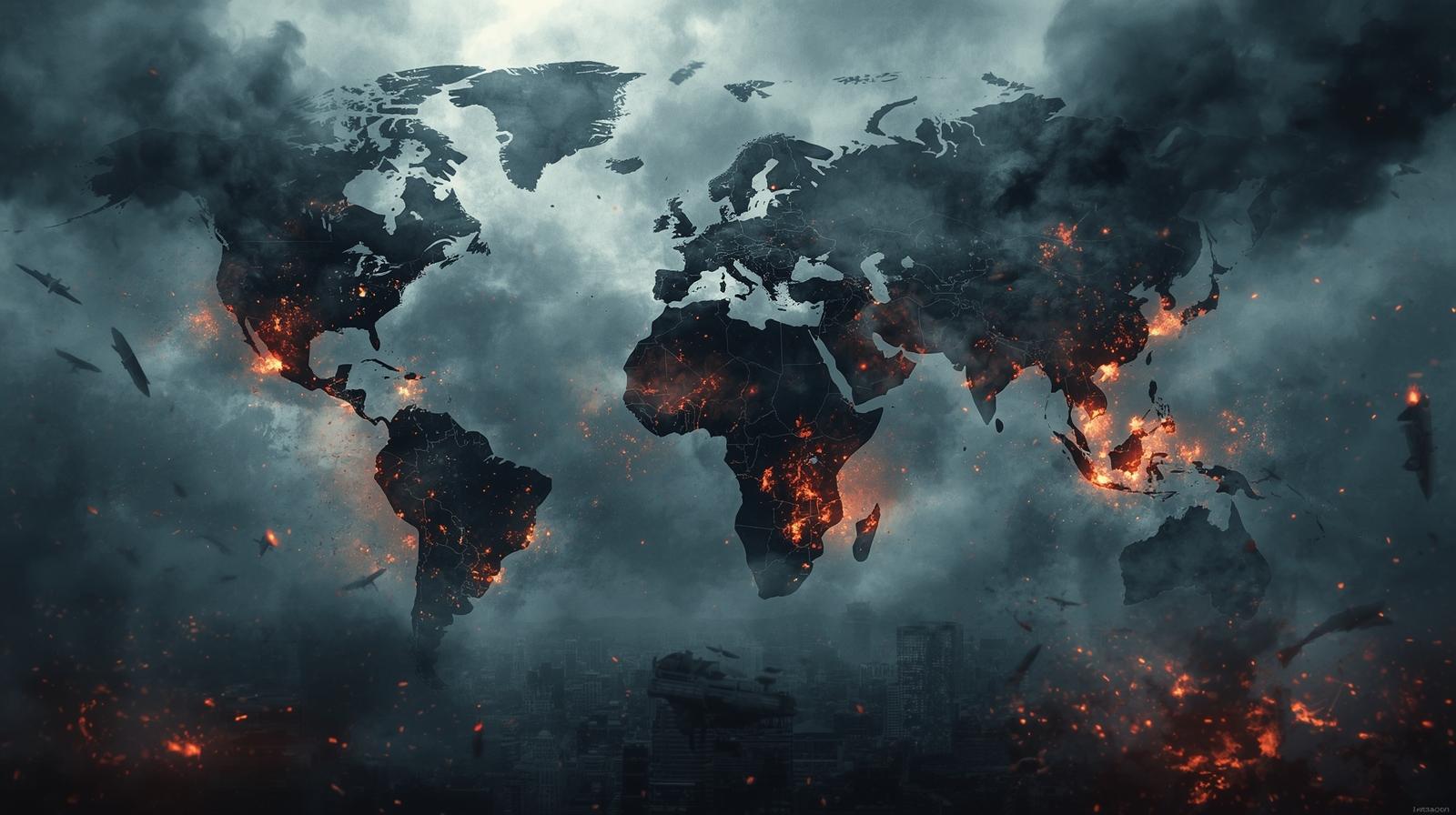
The first images we see of war zones are often the most dramatic: explosions, crumbling buildings, and people fleeing for their lives. These initial scenes paint a stark picture of the immediate devastation. However, the long shadow of war extends far beyond the bombs and bullets, creating a silent crisis that can linger for years – a crisis of food security.
The Broken Breadbasket: Disrupted Agriculture
War disrupts the very foundation of a nation’s ability to feed itself – its agriculture. Farmers are forced to leave their land, vital equipment is destroyed, and crucial resources like fertilizer and fuel become scarce. Fields that once flourished with crops are left fallow, replaced by bomb craters and the lingering threat of landmines.
A Ripple Effect: Food Shortages Beyond the Battlefield
The impact of war on food security extends far beyond the immediate conflict zone. Farming disruptions and infrastructure damage create a domino effect, disrupting global food supply chains. This, coupled with a rise in food prices due to increased demand and limited supply, creates a situation where entire regions, even those far from the battlefields, face food shortages and malnutrition.
The Most Vulnerable: Women and Children Pay the Price
The burden of food insecurity falls most heavily on the most vulnerable: women and children. Pregnant and lactating mothers often face malnutrition, hindering their health and impacting the development of their children. Children are particularly susceptible to the physical and cognitive effects of hunger, leading to stunted growth and hindering their future potential.
Seeding Hope: Solutions Beyond Emergency Aid
The fight against food insecurity in war zones requires a multi-pronged approach. Emergency food aid plays a crucial role in the immediate aftermath of conflict. But long-term solutions are essential to rebuild agricultural systems and empower communities to feed themselves.
- Supporting Local Farmers: Providing farmers with seeds, tools, and training allows them to resume production and regain their livelihoods.
- Investing in Sustainable Practices: Introducing drought-resistant crops and promoting water conservation techniques helps communities adapt to changing climate patterns.
- Empowering Women: Women play a vital role in food production and household food security initiatives. Empowering women through training and access to resources strengthens communities.
A Global Responsibility: Working Together for a More Secure Future
Food security in war zones is not just a humanitarian issue; it’s a global concern. Instability caused by hunger can lead to increased migration and fuel further conflict. By working together, governments, international organizations, and individuals can help build resilience and create a world where war doesn’t mean hunger.