
UN Warns of Humanitarian Crisis as Rival Leaders’ Power Struggle Threatens to Reignite Full-Scale War
Renewed conflict in South Sudan has forced more than 300,000 people to flee their homes in 2025, the United Nations warned, as fighting between President Salva Kiir and suspended First Vice President Riek Machar threatens to plunge the country back into civil war.
The UN Commission on Human Rights in South Sudan sounded the alarm on Monday, calling for an urgent regional response to prevent further escalation. “The ongoing political crisis, increasing fighting, and unchecked corruption are all symptoms of a failure of leadership,” said Commissioner Barney Afako, urging the African Union to intervene before the situation deteriorates further.
South Sudan, which gained independence from Sudan in 2011, has struggled with political instability and ethnic violence for over a decade. The rivalry between Kiir and Machar first sparked a bloody civil war in 2013, killing hundreds of thousands and displacing millions. Although a 2017 ceasefire led to a fragile power-sharing agreement, that deal has collapsed amid renewed clashes between loyalist and opposition forces.
In March, Machar was placed under house arrest following deadly fighting between the military and a Nuer militia in Nasir that killed dozens and displaced more than 80,000 people. Later, he was charged with treason, murder, and crimes against humanity, charges he dismissed as a “political witch-hunt.”
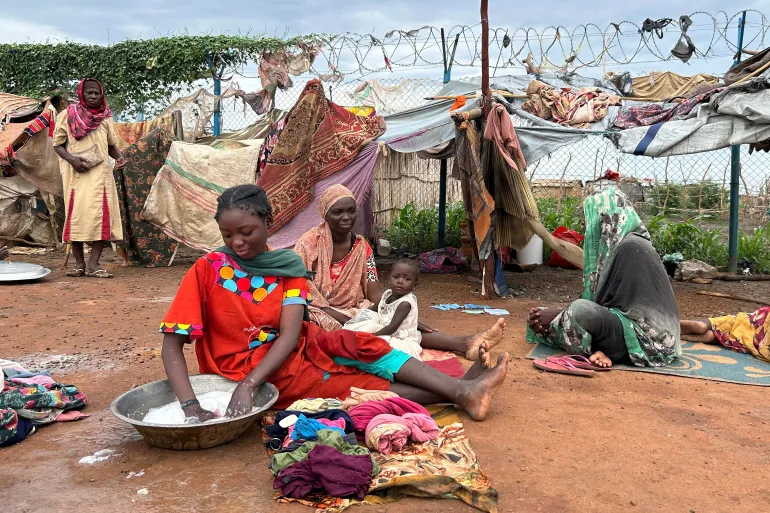
The violence has already displaced nearly 150,000 people into Sudan, where another civil war continues, and a similar number into Uganda, Ethiopia, and Kenya. Over 2.5 million South Sudanese now live as refugees in neighboring countries, while two million remain internally displaced.
The UN report also pointed to systemic corruption, revealing that $1.7 billion from a government oil-for-roads program remains unaccounted for, while three-quarters of the population faces severe food shortages.
“South Sudanese are looking to the region to rescue them from a preventable fate,” said Afako. But without immediate regional engagement, analysts warn, South Sudan risks sliding into another catastrophic civil war—one with even deeper humanitarian consequences.