



A deep look at how Europe, the Sudan conflict, and the regional crisis collide in the world’s worst displacement disaster
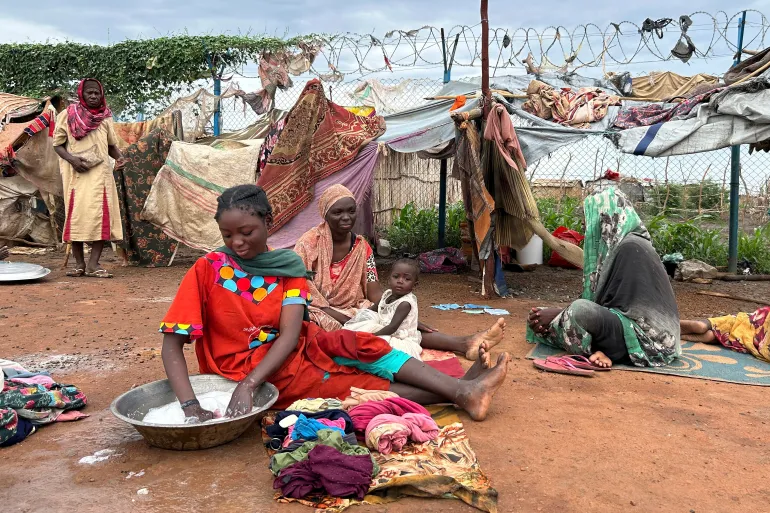
Sudan is now the world’s largest displacement crisis, with millions fleeing brutal conflict, collapsing services, and widespread hunger. As the war drives families from their homes, many have turned their eyes toward Europe, hoping for safety and stability. This surge has put a spotlight on Europe’s role in managing, supporting, and responding to a rapidly worsening crisis that shows no sign of easing.
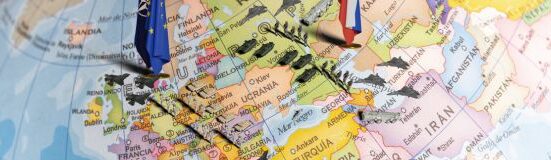
European governments currently play several overlapping roles — from funding humanitarian aid to strengthening border controls and negotiating regional migration agreements. For many refugees, Europe represents both a distant hope and a complicated political battlefield, as EU states struggle to balance security concerns, legal obligations, and rising domestic debate over migration.
Humanitarian experts argue that Europe must act more boldly. With Sudan’s conflict pushing millions into South Sudan, Chad, Egypt, and beyond, the ripple effects inevitably reach the Mediterranean. Strong, coordinated policies — including resettlement programs, expanded aid, and safer migration pathways — could help reduce the dangerous journeys many Sudanese refugees attempt as they seek protection in Europe.
As the Sudan crisis deepens, Europe’s decisions will shape not only its borders but also the future of countless displaced families. For readers following the intersection of Europe, Sudan, and the regional crisis, stay connected, share your thoughts, and help expand awareness of this unfolding humanitarian emergency.