
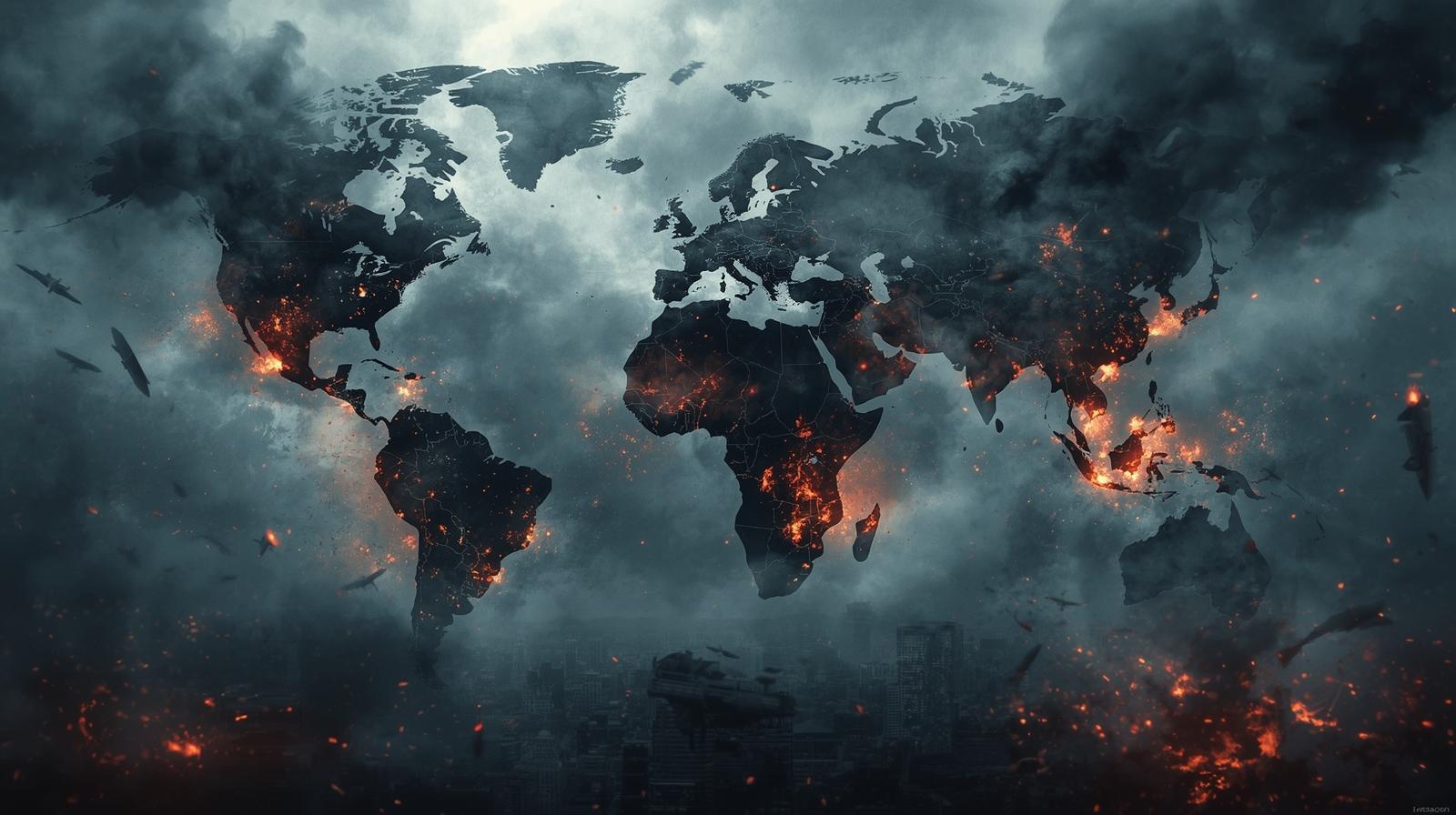
While the immediate casualties of war are undeniably tragic, the conflict’s ripple effects extend far beyond the battlefield. One often-overlooked consequence is the devastating impact war has on global food security. In this silent war on hunger, food itself becomes a weapon, wielded by warring parties to inflict suffering and manipulate populations.
War disrupts food security in several ways. Deliberate tactics like destroying crops, livestock, and storage facilities are employed to weaken the enemy’s population and force surrender. Displaced populations fleeing violence lose access to their land and livelihoods, further straining food supplies. Damaged infrastructure hampers transportation and distribution of food, leading to shortages and price hikes.
The current conflict in [Insert Current Conflict Here] exemplifies this perfectly. [ Briefly describe how the conflict is impacting food security in that region]. This disruption has a domino effect, impacting not just the immediate region but also causing food price spikes globally, threatening food security in vulnerable countries already facing hunger issues.
Beyond the Battlefield
The consequences of weaponizing food are far-reaching. Food insecurity breeds instability, fueling further conflict and displacement. Children are particularly vulnerable, facing malnutrition and stunting that can have lifelong consequences. The fight against hunger becomes a casualty of war, creating a vicious cycle of poverty and despair.
A Global Responsibility
Addressing this complex issue requires a global response. Holding warring parties accountable for deliberate attacks on food supplies is crucial. Strengthening international cooperation to ensure uninterrupted food aid delivery to conflict zones is essential.
Investing in sustainable agriculture practices in vulnerable regions can help build resilience against future disruptions. Additionally, promoting diplomacy and peaceful conflict resolution is vital to prevent war from becoming a weapon of mass starvation in the first place.
Food security is not just a humanitarian concern; it’s a political and economic imperative. By recognizing food as a weapon and working towards a more peaceful and sustainable future, we can ensure that everyone has access to the basic right to food, regardless of the conflicts that plague our world.