
Iran missile attacks, Israel retaliates, and Strait of Hormuz tensions rise
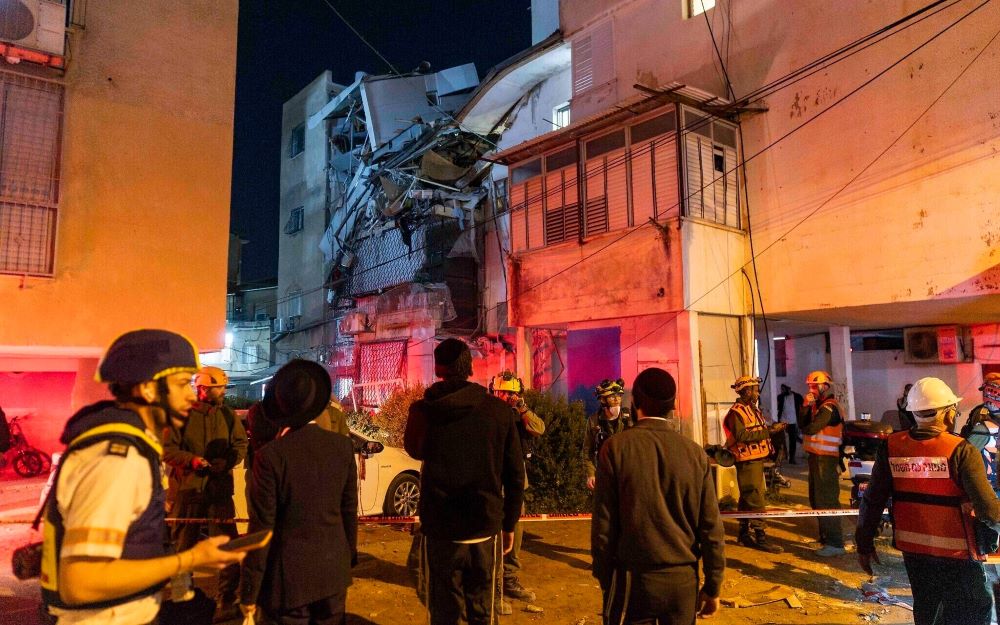
ISRAEL & MIDDLE EAST; Iranian missile and drone strikes intensified on Tuesday, wounding nine people in Bnei Brak and causing widespread damage across central Israel, while the Israel Defense Forces (IDF) responded with heavy airstrikes on Iranian targets, including a key explosives production facility near Isfahan.
The Bnei Brak casualties included a 23-year-old man in moderate condition, six children, and an elderly woman, who suffered light injuries from shrapnel or blasts, according to Magen David Adom emergency services. Other bomblets impacted nearby towns, including Petah Tikva, Givat Shmuel, and Rosh Haayin, causing property damage but no injuries.
Residents described the attacks as terrifying. “We went into the shelter and there was a boom like I’ve never heard in my life,” one said. “The road was full of shards and smoke. My ears were ringing.”
Regional Strikes and Casualties
Iran fired a total of 13 missile salvos across Israel on Tuesday, with sirens also triggered in Eilat, Jerusalem, and central Israel overnight. Medics treated several people for injuries sustained while running to shelters or from acute anxiety.
Elsewhere in the Gulf region, an Iranian missile strike on Bahrain killed a Moroccan contractor working with the UAE military, while five other personnel were wounded. Kuwait also reported a drone attack that ignited a fuel tank at Kuwait International Airport, though no casualties were reported.
IDF Retaliates Against Iran
In response, the Israel Defense Forces carried out extensive airstrikes, dropping over 120 bombs on Iranian ballistic missile launch sites, weapons production facilities, and air defense systems. Among the targets was Iran’s main explosives facility in Isfahan, previously hit during the June war. Early Wednesday, the IDF announced a new wave of strikes targeting Iranian infrastructure in Tehran.
Meanwhile, Iran’s Atomic Energy Organization accused the US and Israel of attacking the Bushehr nuclear plant, claiming a projectile landed inside the site without causing damage. The International Atomic Energy Agency (IAEA) confirmed the incident and called for maximum restraint to avoid nuclear risks.
Strait of Hormuz Tensions Continue
Iran also informed the United Nations Security Council and the International Maritime Organization (IMO) that “non-hostile vessels” may transit the Strait of Hormuz if they coordinate with Iranian authorities. The ongoing conflict has effectively halted about 20% of the world’s oil and LNG shipments, causing significant energy supply disruptions.
Iran warned that vessels associated with the US, Israel, or participating in hostilities would not qualify for “innocent or non-hostile passage,” highlighting ongoing geopolitical tensions in the strategic waterway.
Outlook
As the US-Israel war against Iran continues, the conflict has intensified both on the battlefield and in the global energy market. Civilians in Israel and Gulf nations face escalating risks, while Iran emphasizes its readiness to protect its territory and control critical maritime routes.
Source: The Times of Israel