
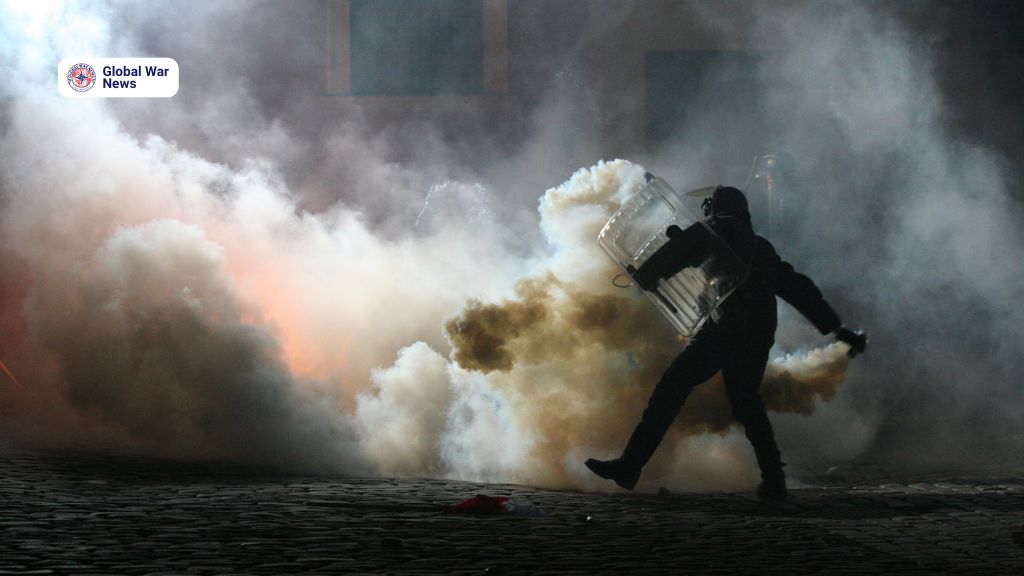
Growing regional tensions drive Iran to appeal for Saudi diplomacy as fears of an Israel-Iran war rise amid stalled nuclear negotiations
Fearing the possibility of renewed conflict with Israel, Iran has taken an unexpected diplomatic step: appealing to Saudi Arabia to persuade the United States to restart stalled nuclear talks. The move comes as tensions across the Middle East intensify, leaving regional powers increasingly anxious about the risk of escalation.
Iran Turns to Saudi Arabia for Support
According to regional officials, Iranian diplomats have asked Riyadh to use its recently restored ties with Tehran — and its longstanding relationship with Washington — to help reopen nuclear negotiations. The request signals Iran’s growing concern that a breakdown in diplomacy could lead to a direct clash with Israel, one that neither side can easily contain.
The appeal also reflects a shifting dynamic in the region, where Saudi-Iran rapprochement has created new diplomatic channels that did not exist just two years ago. For Tehran, engaging Saudi Arabia may be one of the few viable paths to getting Washington back to the table.
Rising Fears of a Wider Conflict
Iran’s request comes amid what officials describe as “heightened fear of Israeli military action,” fueled by continued tensions over Iran’s nuclear program and its support for regional armed groups. Israeli leaders have repeatedly warned they will not tolerate what they call an expanding Iranian threat.
With diplomacy frozen and the Middle East on edge, Iranian officials believe renewed nuclear talks could reduce friction and offer a structured path away from confrontation.
Saudi Arabia’s Calculated Role
For Saudi Arabia, the request places the kingdom in a delicate but influential position. As a regional heavyweight, the Saudis understand that a war between Iran and Israel would destabilize the entire Middle East — threatening energy routes, regional economies, and diplomatic progress.
While Riyadh has not publicly confirmed its next steps, analysts say Saudi involvement could carry significant weight in Washington, especially given the kingdom’s central role in regional security and global energy markets.
A Diplomatic Test for the United States
The United States now faces renewed pressure to make a decision: remain firm on its current stance, or explore dialogue that could ease regional tensions. Washington has expressed frustration with Iran’s nuclear advances, but with rising threats of conflict, some policymakers argue that engagement may be more effective than isolation.
If nuclear talks resume, it could mark a rare moment of cooperation among rivals — and a meaningful shift in the region’s security landscape.
Conclusion
As Iran, Israel, and regional powers navigate this critical moment, the push to revive nuclear talks could determine whether the Middle East steps toward diplomacy or tumbles into deeper conflict. To stay updated on these rapidly evolving developments, follow, share, or comment to support ongoing coverage and join the conversation.