
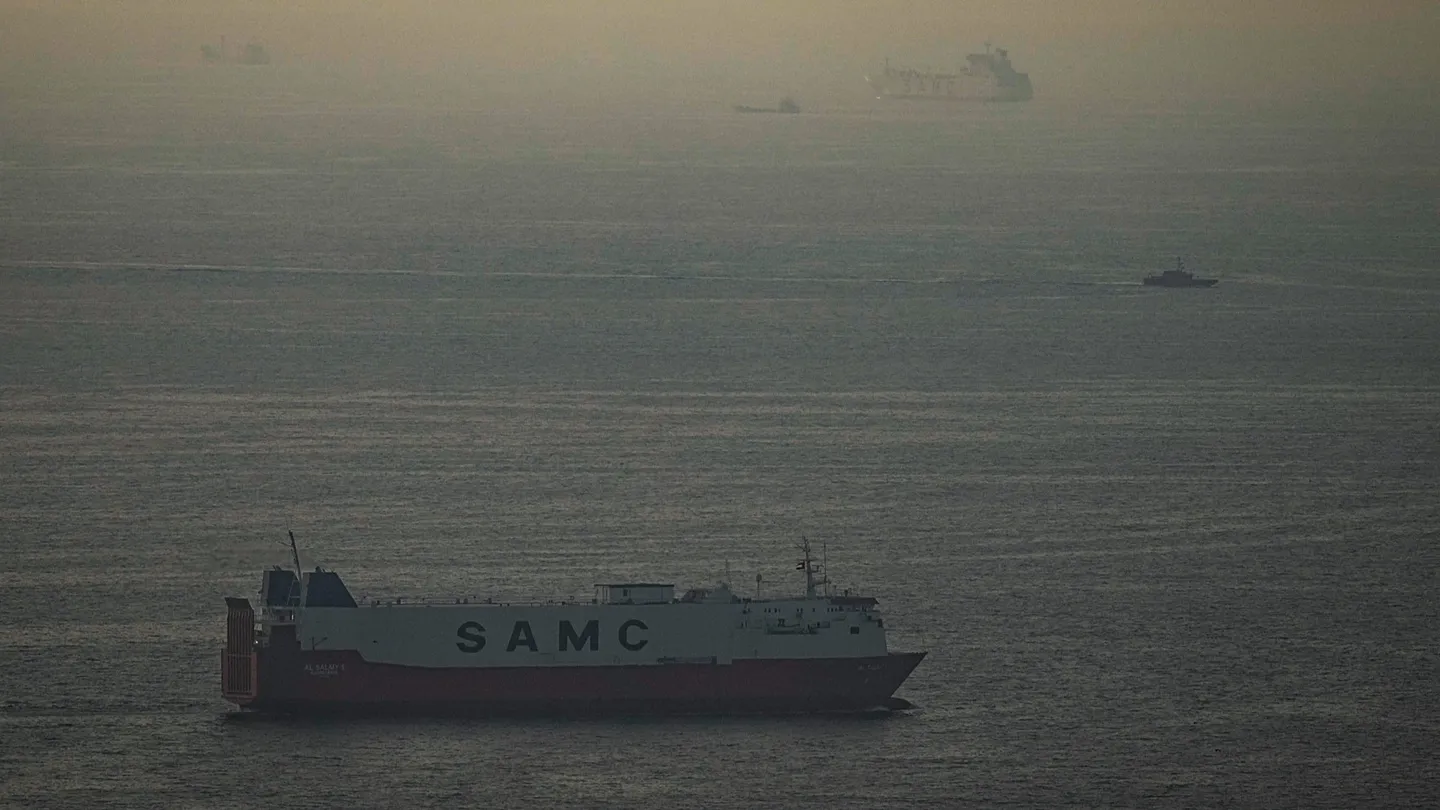
Rising tensions over oil, power, and water supply spark global market fears and regional instability
Iran has warned of a major escalation in the ongoing Middle East conflict, threatening to target energy, water, and technology infrastructure across Gulf nations if the United States follows through on a 48-hour ultimatum issued by President Donald Trump.
The warning comes amid an already intense three-week-long conflict, with continued U.S. and Israeli airstrikes reportedly weakening Iran’s military capabilities. Despite this, Tehran has demonstrated it can still launch missile attacks, triggering air raid sirens across parts of Israel, including Tel Aviv.
Trump’s 48-Hour Threat Raises Stakes
President Trump warned that unless Iran allows free passage through the Strait of Hormuz, the U.S. would target and destroy Iran’s power plants. The statement has heightened fears of a wider regional war and severe economic fallout.
Iran responded swiftly, stating that any attack on its energy infrastructure would lead to retaliation against Gulf countries’ critical systems, including desalination plants, vital for water supply in desert nations.
Critical Infrastructure at Risk
Gulf nations are especially vulnerable. Countries like Bahrain and Qatar rely almost entirely on desalination plants for drinking water, while the UAE and Saudi Arabia depend heavily on them. Any disruption could create a humanitarian crisis affecting millions.
Iranian officials warned that such attacks could result in “irreversible destruction” of key infrastructure across the region.
Strait of Hormuz Crisis Deepens
Iran has also threatened to close the Strait of Hormuz, a crucial global shipping route through which around 20% of the world’s oil and gas supply passes. While some ships have negotiated safe passage, most remain stalled, intensifying fears of a global energy crisis.
Oil prices have already surged to near four-year highs, while European gas prices spiked sharply, reflecting growing market anxiety.
Widening Conflict and Civilian Impact
The conflict has expanded beyond Iran and Israel, involving Hezbollah in Lebanon and increasing the risk of a broader regional war. Israeli officials say weeks of fighting still lie ahead, while cross-border attacks continue.
More than 2,000 people have reportedly been killed, and civilians across the region face growing risks as civilian infrastructure becomes a potential target.
Global Markets on Edge
Analysts warn that the situation has created a “ticking time bomb of uncertainty” for global markets. Investors are bracing for volatility as tensions threaten energy supplies, trade routes, and economic stability worldwide.
Source: Reuters