
Escalating Israeli and Iranian strikes push global oil prices above $108 per barrel
The Iran war is escalating, with Israel and Iran ramping up attacks that are putting the region’s energy infrastructure under severe pressure. On Wednesday, Israel killed Iran’s intelligence minister, while an Iranian offshore natural gas field was struck, signaling a dangerous intensification of the conflict.
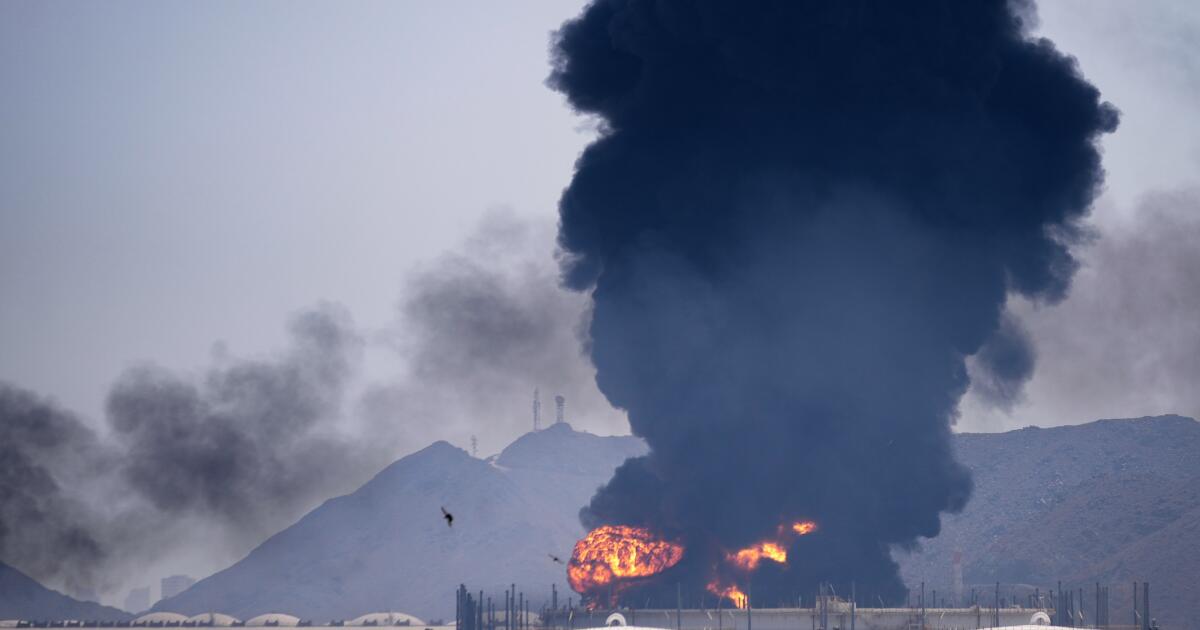
Since the war began on February 28, Iran has targeted Gulf Arab states’ oil and gas facilities and disrupted shipping through the Strait of Hormuz, a vital channel for nearly one-fifth of the world’s oil supply. Iranian strikes recently hit Saudi Arabia’s Eastern Province, home to many oil fields, and threatened facilities in Qatar and the UAE.
Global oil prices surged 5%, exceeding $108 per barrel, adding pressure on consumers and economies worldwide. In response, the U.S. eased sanctions on Venezuela, allowing companies to engage with the state-owned oil sector to help stabilize supply.
Iranian retaliation also targeted Israel, killing two near Tel Aviv, while Israel’s strikes killed top Iranian security officials, including Ali Larijani and Gen. Gholam Reza Soleimani. Iran fired multiple-warhead missiles at central Israel, and Israeli airstrikes in Lebanon targeted Hezbollah positions, killing at least 12 civilians.
The conflict has disrupted shipping in the Strait of Hormuz, forcing Saudi Arabia and Iraq to reroute oil exports via pipelines to Red Sea ports and Turkey. British officials warn that reopening the strait remains uncertain due to mines, attack boats, and drones.
Within Iran, renewed strikes have killed more than 1,300 people, including civilians at a courthouse in Larestan. Iran executed a man accused of spying for Israel, drawing international condemnation from Sweden.
The intensifying war is now claiming lives across multiple countries: 14 killed in Israel, more than 968 in Lebanon, and at least 13 U.S. military personnel. The conflict is raising fears of further regional instability while continuing to drive up energy prices worldwide.
Source: PBS News