
Trump ultimatum raises fears of attacks on energy infrastructure, water facilities, and global oil routes
Tensions in the Iran war have escalated sharply after U.S. President Donald Trump threatened strikes on Iranian power plants, raising fears of a wider energy crisis across the Middle East.
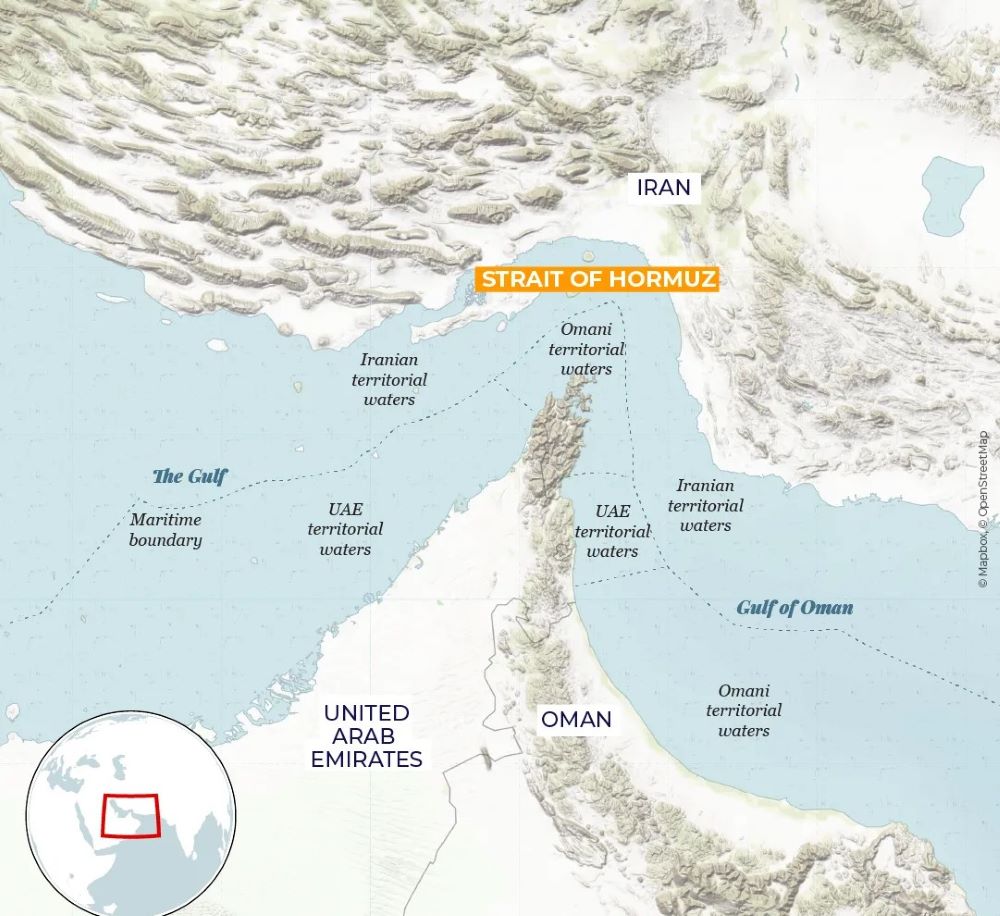
The warning came after Iran restricted access through the Strait of Hormuz—a critical route that carries around 20% of the world’s oil and gas supply.
Trump Ultimatum and Rising Threats
Trump issued a 48-hour ultimatum demanding Iran reopen the strait or face direct attacks on its energy infrastructure. Although he later paused military action for five days, uncertainty remains high.
Iranian officials denied any ongoing negotiations and warned that energy markets will remain unstable.
Iran’s Warning: “If You Hit Electricity, We Hit Electricity”
Iran, backed by the Islamic Revolutionary Guard Corps (IRGC), has vowed to retaliate immediately if its infrastructure is targeted.
Senior officials warned that potential targets include:
- Power plants in Israel and Gulf states
- Oil and gas facilities across the region
- Water desalination plants critical for drinking supplies
- Financial institutions linked to U.S. military funding
“If you hit electricity, we hit electricity,” the IRGC declared, signaling a direct escalation strategy.
Energy Infrastructure at Risk
The conflict has already disrupted major energy assets. Iran’s closure of the Strait of Hormuz has driven oil prices above $100 per barrel, shaking global markets.
Recent incidents include:
Attacks on LNG facilities in Qatar, cutting 17% of export capacity
Disruptions to Saudi Arabia’s major oil refinery operations
Strikes near Iran’s own gas and fuel infrastructure
Experts warn that further escalation could trigger a full-scale regional energy crisis, affecting global supply chains.
Water and Critical Systems Under Threat
Beyond oil and gas, water infrastructure has become a new target. Gulf countries rely heavily on desalination plants, which supply most of their drinking water.
Recent drone and missile incidents have already damaged such facilities, raising concerns over humanitarian risks if water systems are disrupted.
Global Implications
The الأزمة highlights the vulnerability of energy chokepoints and critical infrastructure in modern warfare. Any prolonged disruption in the Strait of Hormuz could lead to:
Sustained high oil prices
Global supply shortages
Economic instability across multiple regions
As tensions rise, the world watches closely, with fears that the conflict could expand beyond military targets to economic and civilian infrastructure.
Source: Al Jazeera