
Israel-Iran war escalates with missile attacks, rising oil prices, and stalled ceasefire talks
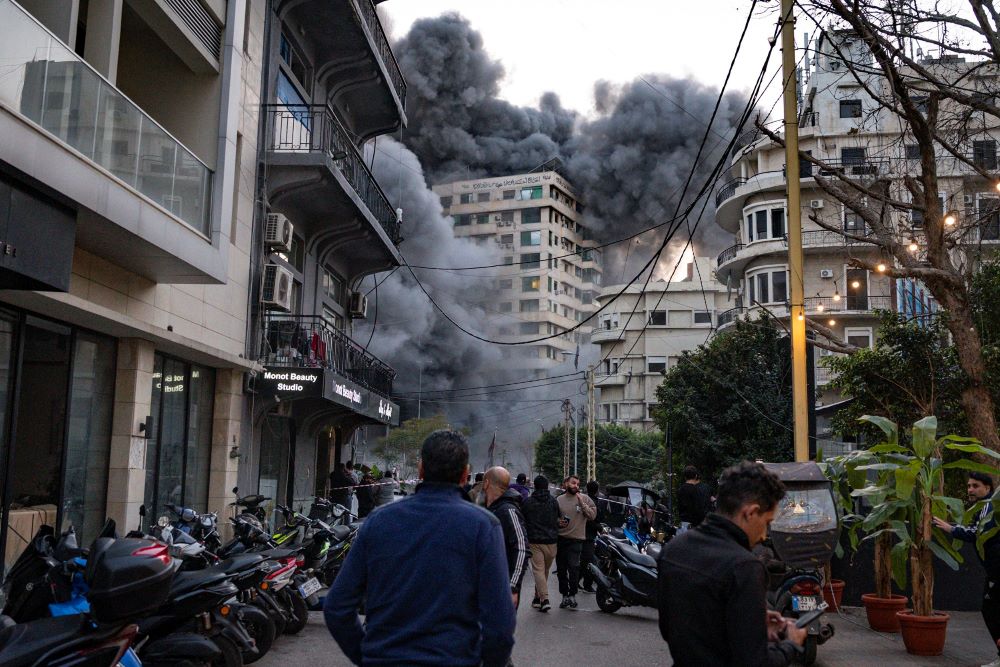
Israel has launched a new wave of airstrikes on Iran, intensifying the Israel-Iran war as diplomatic efforts show no signs of breakthrough and tensions spread across the Middle East.
The Israeli military said the strikes targeted ballistic missile facilities, launchers, and storage sites in and around Tehran, marking a significant escalation in the ongoing conflict.
Strait of Hormuz Crisis Fuels Global Concerns
At the center of the crisis is the Strait of Hormuz, a critical global shipping route through which nearly 20% of the world’s oil supply passes. Iran’s control over the strait has raised fears of a global energy crisis.
Donald Trump said talks to end the conflict were progressing, but extended his deadline for Iran to reopen the strait to April 6, warning of potential strikes on Iran’s energy infrastructure if it fails to comply.
Despite this, Iran has denied engaging in negotiations and continues to assert its sovereignty over the waterway.
Regional Attacks and Expanding Conflict
The conflict has widened beyond Iran and Israel:
Missiles and drones were launched by Iran toward Gulf countries including Bahrain, Qatar, and the UAE
Air raid sirens sounded in Israel as defenses intercepted incoming threats
Ports in Kuwait, including Shuwaikh and Mubarak Al Kabeer, suffered material damage
The attacks highlight the risk of a regional war, with critical infrastructure and international trade routes under threat.
Markets React as Oil Prices Surge
Global markets are feeling the impact. Oil prices have surged, with Brent crude rising above $107 per barrel, up more than 45% since the war began.
Stock markets across Asia and beyond have declined amid growing uncertainty, while Iran’s actions in the strait, including reportedly charging ships for safe passage, have added to economic instability.
Diplomatic Efforts Stall Amid Military Build-Up
The United States has proposed a 15-point ceasefire plan, including reopening the Strait of Hormuz and limiting Iran’s nuclear program. Iran has rejected the proposal, offering its own demands including reparations and recognition of control over the strait.
Meanwhile, the U.S. is increasing its military presence:
2,500 Marines deployed closer to the region
1,000 paratroopers from the 82nd Airborne on standby
International efforts involving Egypt, Turkey, and Pakistan are underway to arrange talks, while the UN Security Council prepares to hold emergency consultations.
Heavy Civilian Toll and Humanitarian Crisis
The war continues to take a devastating human toll:
Over 1,900 people killed in Iran
More than 1,100 deaths in Lebanon
Casualties reported across Israel, Iraq, and Gulf states
Aid groups report widespread destruction, with homes, hospitals, and schools damaged, and warn that millions could be displaced if the conflict continues.
Source: AP News