
Iran conflict intensifies with Houthi strikes, Israel attacks, and growing US military presence
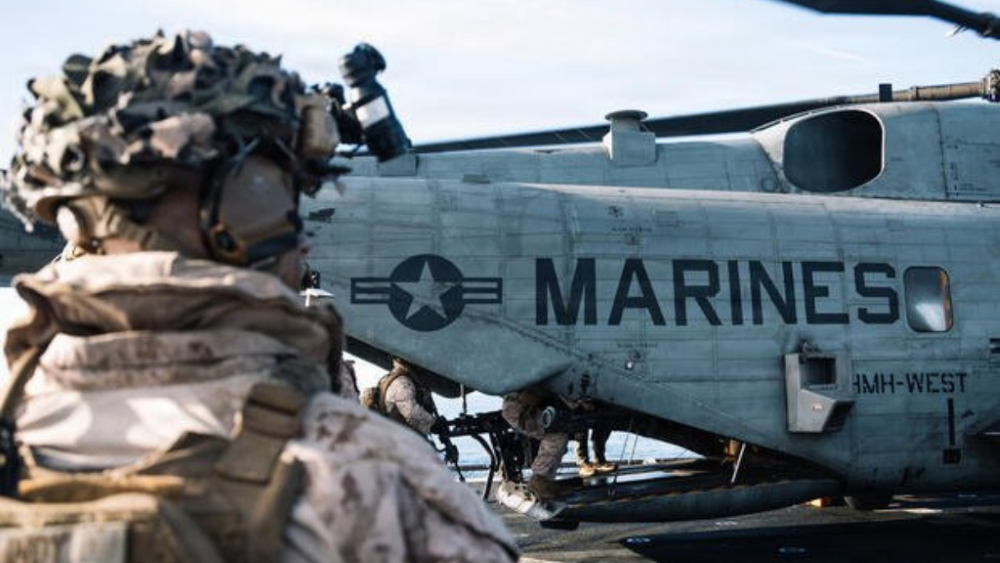
The Middle East war is rapidly expanding as Yemen’s Iran-aligned Houthis launched fresh attacks on Israel, while the United States increased its military presence by deploying Marines to the region.
The escalation highlights rising tensions in the ongoing Iran conflict, which has already spread across multiple countries and disrupted global energy supplies.
Houthis Open New Front Against Israel
The Houthis confirmed they carried out missile and drone strikes on Israel, marking their first direct involvement since the conflict began. Israel acknowledged at least one missile launch from Yemen but reported no immediate casualties.
Houthi spokesperson Yahya Saree warned that attacks would continue until what the group calls “aggression” across the region comes to an end. Their growing reach raises concerns about threats to key global shipping routes, particularly near the Bab al-Mandab Strait.
US Marines Arrive as Washington Signals Flexibility
U.S. Secretary of State Marco Rubio stated that the United States aims to conclude military operations within weeks. However, he confirmed that additional troops are being deployed to give President Donald Trump “maximum flexibility.”
Thousands of Marines have already begun arriving, with more troops expected, including forces from the 82nd Airborne Division.
Israel Expands Strikes in Iran and Lebanon
Israel intensified its military campaign, launching strikes on infrastructure in Tehran and resuming attacks in Lebanon against Hezbollah targets.
Lebanese media reported that three journalists and a soldier were killed in Israeli strikes, along with additional casualties among rescue workers. Israel claimed one of the journalists was linked to Hezbollah intelligence.
Meanwhile, Iran continued retaliatory attacks across the region, targeting areas in the Gulf and even striking near Jerusalem.
Regional Diplomacy Struggles to Contain Crisis
Iranian President Masoud Pezeshkian held talks with Pakistan’s Prime Minister Shehbaz Sharif, as regional powers attempt to ease tensions. Meetings involving Turkey and Saudi Arabia are underway, but no breakthrough has been achieved.
Backchannel efforts continue, though officials remain doubtful that direct negotiations between Tehran and Washington will happen soon.
Global Impact: Energy and Markets Under Pressure
The war is already affecting the global economy. Oil prices have surged, with Brent crude rising more than 50% since the conflict began.
The partial closure of the Strait of Hormuz, a critical route for global oil shipments, has severely disrupted energy supplies. While some ships continue to pass under special assurances, many tankers are avoiding the route due to security risks.
Rising Risks of Wider War
The involvement of the Houthis signals a dangerous expansion of the conflict, increasing the likelihood of a broader regional war. Attacks now span Iran, Israel, Lebanon, and parts of the Gulf, with no immediate end in sight.
Despite ongoing military action, both sides continue to signal openness to negotiations—though for now, the situation remains volatile and unpredictable.
Source: Reuters