




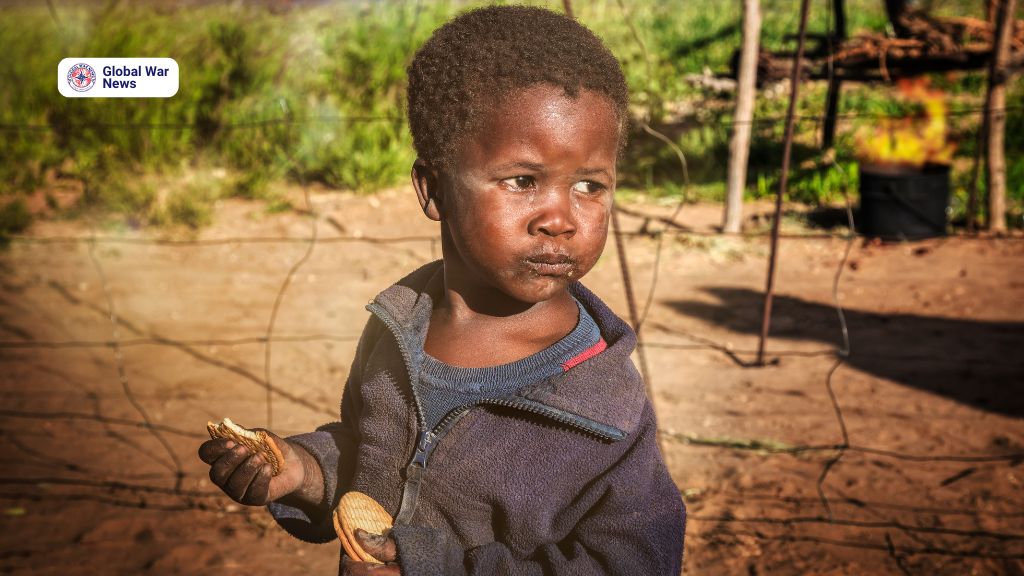
As Darfur’s last army stronghold falls, thousands of civilians flee RSF attacks, revealing a humanitarian crisis and systematic ethnic violence in Sudan.
When el-Fasher fell on October 26, Abubakr Ahmed feared he would never leave the city alive. For 550 days, he had fought as part of the “popular resistance,” a civilian-led force supporting Sudan’s army against the Rapid Support Forces (RSF) in the brutal two-and-a-half-year civil war.
But the city’s surrender left 250,000 civilians behind, facing RSF attacks without protection. “The RSF killed civilians and left their corpses in the streets,” Ahmed, 29, told Al Jazeera. “They were killed without mercy.”
Escape from Death
Ahmed recalls shooting his way out with a handful of young men during the final clashes. He was hit by shrapnel from a rocket-propelled grenade but managed to escape, unlike countless others.
In the first three days after the RSF captured el-Fasher, at least 1,500 people were killed, including 460 patients and their companions at al-Saud Hospital, verified by the World Health Organization. Videos authenticated by Al Jazeera’s Sanad Verification Unit show RSF troops standing over bodies and executing unarmed men — evidence of a systematic campaign of terror.
A Growing Humanitarian Crisis
The mass killings have triggered a mass exodus, with over 33,000 civilians fleeing to nearby towns like Tawila and Tine, 60 km from the city. Most remain trapped, hiding from RSF gunmen or making the grueling trek through the desert without food or water.
Mohammed, a survivor, told Al Jazeera: “The majority of people won’t stay in el-Fasher because they are terrified of the RSF. They don’t trust them. Arabs will live in one place and non-Arabs in another — that’s the reality now.”
Echoes of Past Atrocities
Observers warn the RSF’s actions may constitute ethnic cleansing. Satellite analysis by Yale Humanitarian Research Lab shows evidence of mass killings as civilians tried to flee, with the true scale likely undercounted.
UNICEF representative Sheldon Yett compared the situation to Rwanda’s genocide. “The kind of slaughter we are seeing … and the pride perpetrators take in killing innocent people is horrifying,” he said. Relief workers, including those running community kitchens, are now in acute danger, leaving many vulnerable to starvation.
International Response and Criticism
The UN, US, and EU have condemned the killings, urging the RSF to protect civilians. Experts argue, however, that international inaction enabled the atrocities.
“The RSF tried to take over el-Fasher for months — and everyone knew what would happen if they succeeded,” said Hamid Khalafallah, Sudan analyst and PhD candidate. Human Rights Watch’s Jean-Baptiste Gallopin added that diplomats’ focus on ceasefire negotiations has allowed the RSF to act with impunity, filming their own crimes without fear of sanctions.
A City in Fear
For now, el-Fasher’s civilians live in fear, many hiding, fleeing, or separated from loved ones. The RSF’s ongoing presence makes daily life perilous, and the humanitarian crisis shows no immediate signs of relief.
The question facing Sudan and the world remains: How long will civilians be left to endure RSF’s reign of terror without accountability?