


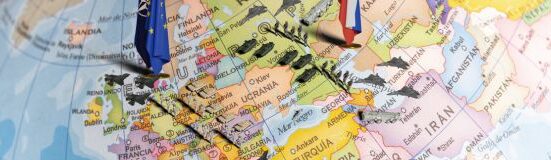


The international community often faces a dilemma when dealing with violent conflicts: peacekeeping or intervention? Peacekeeping, traditionally deployed with the consent of all parties involved, aims to monitor ceasefires and prevent further violence. Intervention, on the other hand, involves the use of force, often without the consent of the host nation, to achieve a specific outcome.
The Delicate Dance of Peacekeeping
Peacekeeping has its limitations. Unarmed or lightly armed forces can struggle to deter violence or enforce peace agreements. Accusations of bias and inefficiency sometimes plague peacekeeping missions. The requirement of consent from warring parties can limit the effectiveness of peacekeeping efforts in situations where one side seeks continued conflict.
Intervention: A Forceful but Flawed Option
Intervention, while potentially more forceful, raises a different set of concerns. The use of force can escalate conflict, leading to civilian casualties and resentment towards the intervening power. The legitimacy of intervention without UN authorization is often questioned, particularly when national interests seem to be driving the intervention. Furthermore, nation-building efforts that accompany intervention can be culturally insensitive and ultimately unsustainable.
Finding the Golden Ratio
So, where does the balance lie? Perhaps the answer lies in a nuanced approach that leverages the strengths of both peacekeeping and intervention. Robustly mandated peacekeeping missions with clearer objectives and the ability to use force for self-defense could be a step forward. Enhancing cooperation between regional actors and the UN Security Council could facilitate more legitimate and effective interventions when necessary.
Prioritizing Diplomacy and Prevention
Ultimately, the best solution is often to prevent conflict in the first place. Investing in diplomacy, conflict resolution tools, and addressing the root causes of violence can help to avoid the need for peacekeeping or intervention altogether.
The debate between peacekeeping and intervention is complex, with no easy answers. However, by acknowledging the strengths and weaknesses of each approach, and by prioritizing diplomacy and conflict prevention, we can navigate a more balanced path towards a more peaceful world.