
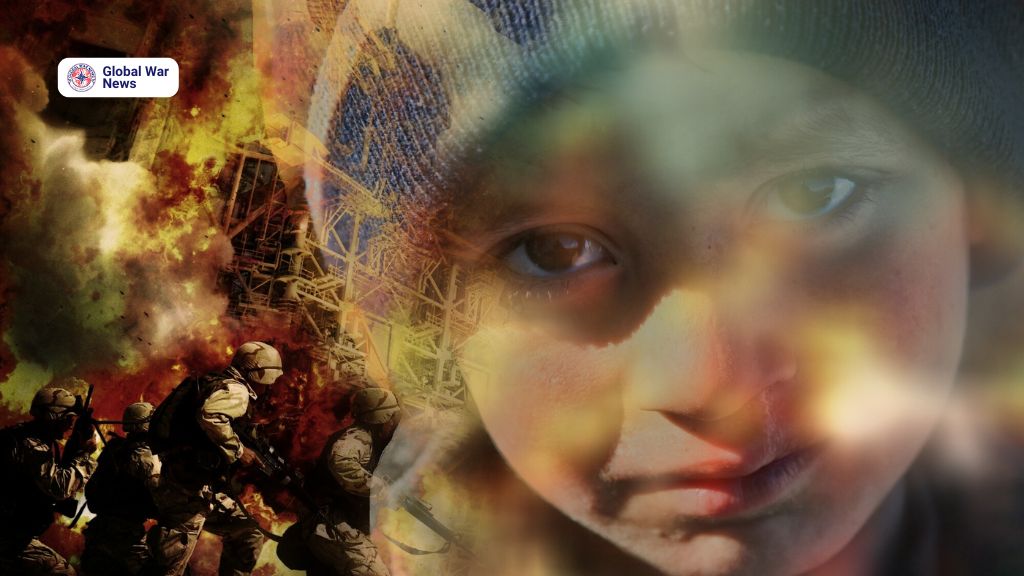
As fighting intensifies around Pokrovsk and Kupiansk, tensions rise over nuclear tests and global energy moves, signaling new uncertainty in the Russia-Ukraine conflict.
After nearly four years of relentless war, Ukraine and Russia continue to battle on multiple fronts — military, political, and economic. On day 1,351, the struggle showed no signs of easing, as fighting, nuclear tensions, and energy challenges dominated headlines across Europe and beyond.
Fierce Fighting in Pokrovsk and Kupiansk
The Russian Ministry of Defence has issued a stark warning to encircled Ukrainian troops in Pokrovsk and Kupiansk, urging them to surrender. Russia claims its forces are advancing north within Pokrovsk, while Ukraine insists its units are fighting fiercely to halt Russian gains.
Pokrovsk — once a vital logistics hub for Kyiv — has become a symbol of Ukraine’s resistance. Still, the country’s military admits the situation remains “extremely difficult” in the strategic eastern city. Russia views Pokrovsk as a gateway to seizing the remaining 10 percent of Donbas, one of its top military objectives.
Energy Front: Ukraine Diversifies Gas Supply
Amid escalating attacks on energy infrastructure, Ukraine has resumed gas imports through the Transbalkan route, connecting to Greece via Moldova, Romania, and Bulgaria. The new pipeline flow — about 1.1 million cubic meters (mcm) of gas on Wednesday — is vital to keep homes heated and power stations running through winter.
Meanwhile, Poland is negotiating a deal with the United States to supply liquefied natural gas (LNG) to Ukraine and Slovakia, tightening Europe’s strategic energy ties with Washington.
Nuclear Tensions Escalate
In a chilling development, Russian President Vladimir Putin has ordered his top officials to draft proposals for a nuclear weapons test — the first since the collapse of the Soviet Union in 1991.
The move comes after U.S. President Donald Trump announced that Washington would resume nuclear testing, sparking fears of a renewed global arms race. Russia confirmed it had been notified of a U.S. test launch of an unarmed Minuteman III intercontinental missile, but Moscow’s tone has grown increasingly hostile.
As diplomatic relations crumble, Trump has cancelled a planned summit with Putin, imposed new sanctions, and hinted at working on a “denuclearisation plan” involving both China and Russia.
Sanctions and Shifting Alliances
Bulgaria is preparing legal measures to seize control of Lukoil’s Burgas oil refinery, aiming to shield it from U.S. sanctions on Russian entities.
Meanwhile, Estonia’s Foreign Minister Margus Tsahkna called on China to stop providing economic support to Russia, warning that Beijing’s growing influence is prolonging the war.
“China has huge leverage over Russia. Every week, it grows stronger as Moscow’s economy weakens,” Tsahkna told Reuters.
Ukraine’s Symbolic Currency Shift
In a bid to shed another remnant of its Soviet past, Ukraine plans to replace its kopek coins, known locally as kopiyka, with a new currency name — “shah”.
Central Bank Governor Andriy Pyshnyi said the change would reflect Ukraine’s independence and national identity, marking a symbolic break from Moscow’s dominance.
Conclusion: War Fatigue Meets Global Anxiety
From nuclear brinkmanship to energy resilience and symbolic national renewal, Ukraine’s war with Russia continues to reshape the world order.
As both nations dig in for another winter, the stakes are higher than ever — not only for Kyiv and Moscow but for global peace itself.
Readers are encouraged to follow this ongoing conflict, share updates, and join the discussion to stay informed on how this war is redefining international power and policy.