



A deadly blockade by Sudan’s Rapid Support Forces has plunged the North Darfur capital into a devastating famine, leaving over 700,000 people trapped, starving, and cut off from aid.
El-Fasher, Sudan – Once a place of fragile refuge for tens of thousands displaced by war, North Darfur’s capital el-Fasher has now become a symbol of Sudan’s deepening humanitarian catastrophe.
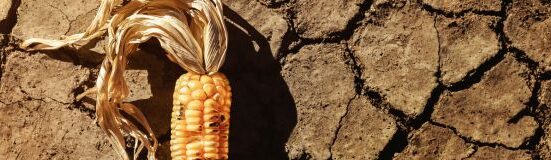
A famine has gripped the city, triggered by a months-long siege imposed by the paramilitary Rapid Support Forces (RSF). The African Centre for Justice and Peace Studies reports that approximately 740,000 people are now spiraling into severe hunger.
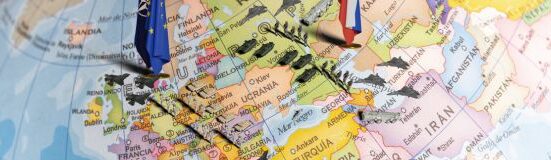
The crisis intensified after the RSF surrounded el-Fasher in April 2024. The group acted after local armed factions pledged loyalty to the Sudanese Armed Forces (SAF), the RSF’s rival in the civil conflict that erupted in April 2023. In response, the RSF choked off all access routes, cutting off food, humanitarian aid, and medical supplies.
The result? Soaring food prices and near-empty markets. Basic staples like sorghum and wheat are now unaffordable for most, costing up to four times more than elsewhere in Sudan, according to the United Nations. Local journalist Mohamed Zakaria told Al Jazeera that even communal kitchens—lifelines for many families—have shuttered, unable to keep up with demand and the lack of supplies.
This grim scenario was foreshadowed in December 2024 when the Integrated Food Security Phase Classification declared an official famine in the nearby Zamzam and Abu Shouk camps—home to hundreds of thousands of displaced people. The agency warned the famine could spread to el-Fasher by May 2025. That warning has now become a terrifying reality.
The people trapped in el-Fasher include not just its original residents but also generations of displaced families who fled conflict in surrounding areas over the past two decades. Now, they find themselves caught in yet another deadly battle, this time against hunger itself.
With aid blocked and the city sealed off, the fate of el-Fasher’s people hangs in the balance—victims of war, politics, and an international community struggling to intervene.