
Families trapped in Sudan’s civil war face hunger, airstrikes, and devastating injuries as RSF battles the army for control of El-Fasher
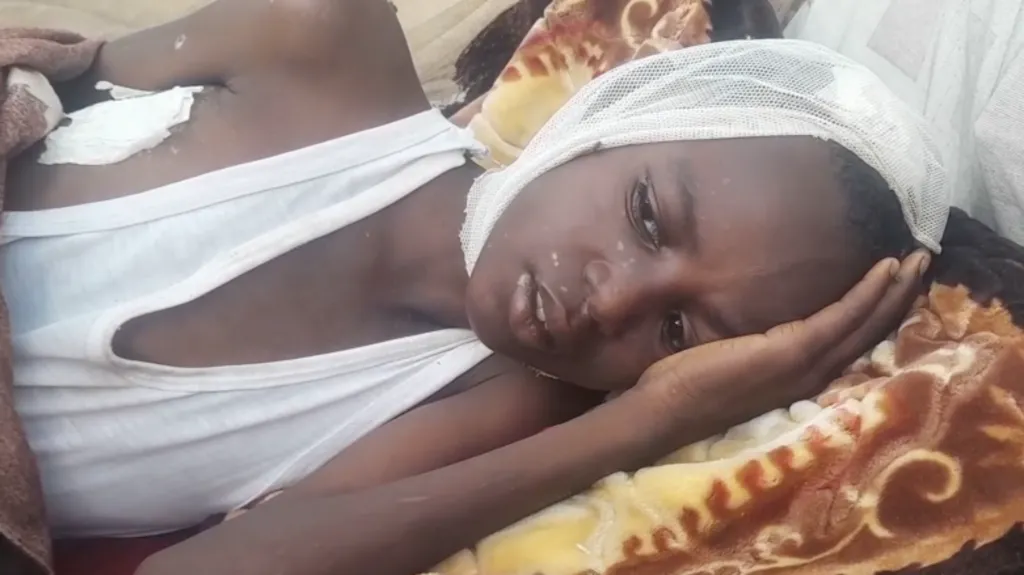
In the besieged Sudanese city of El-Fasher, the sound of artillery fire echoes daily. For Ahmed Abdul Rahman, just 13 years old, the nightmare is personal. His body is “full of shrapnel” from a recent shelling, and his mother fears he may not survive.
El-Fasher, once a bustling city in Darfur, has been under siege by the Rapid Support Forces (RSF) for 17 months. Now, the paramilitary group is pressing in on key military sites, threatening to capture the army’s last stronghold in western Sudan. For the tens of thousands of civilians trapped inside, every day is a fight for survival.
Life under siege: hunger, wounds, and despair
With hospitals running out of supplies and even under fire, medical care is scarce. Families struggle to find food, and many go to bed hungry. “My children have been crying for days because there is no food,” said one woman whose leg wound has been left untreated.
The RSF, accused of war crimes and atrocities, has stepped up attacks using sophisticated drones, reportedly supplied by the UAE—a charge the Gulf state denies. Civilians have not been spared. Last month, more than 75 people were killed in a mosque strike during morning prayers.
Among the dead was young Samir, buried in a mass grave after a shell tore through the schoolyard where his family sought refuge. His mother wept as she recalled: “He was hit in the head and the wound was deep… my other son was also hit by shrapnel.”
Strategic city, rising stakes
Control of El-Fasher would give the RSF a major strategic advantage, easing access to weapons and fuel from Libya and strengthening their grip on Darfur. Analysts warn it could also allow the group to launch new offensives toward Khartoum.
For the Sudanese army and allied local groups, the fight is existential—about defending their last territory and preserving political survival. The UN has warned of mass atrocities if the city falls completely.
Despite RSF denials, evidence of ethnic targeting against non-Arab groups, such as the Zaghawa community, continues to mount. Human rights groups and war monitors say civilians face killings, robbery, and forced displacement as they flee.
A city on the brink
For those outside Sudan, the war is deeply personal too. A refugee watching RSF propaganda videos recognized friends, musicians, and even relatives among those detained. “Every day, people I know die. Places I used to go are destroyed. It’s like a nightmare,” he said.
As the siege tightens, El-Fasher’s civilians remain trapped between hunger, bombs, and the fear of what comes next.