
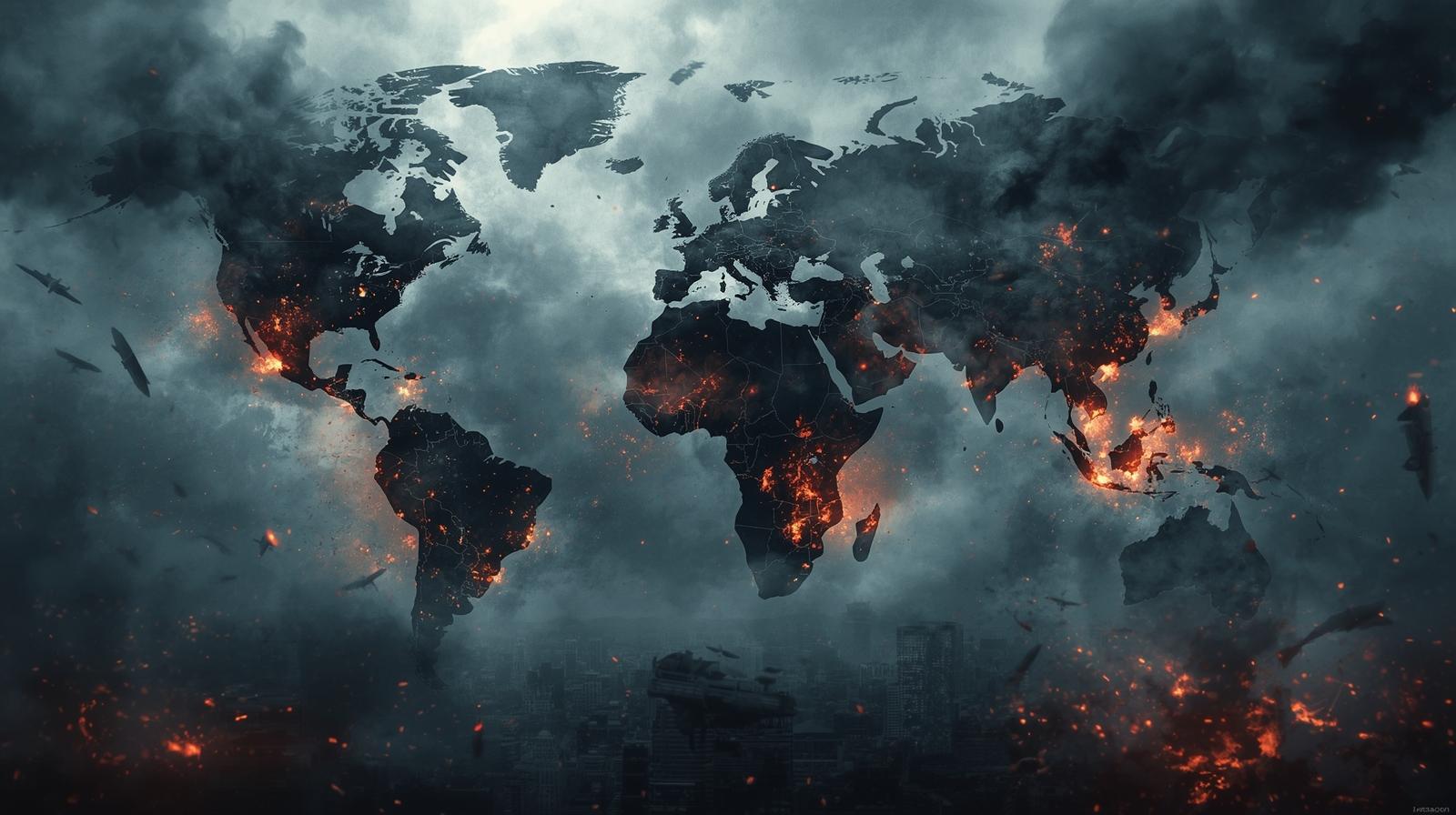
Victory parades and triumphant pronouncements often mark the end of wars. But the true cost of war extends far beyond the immediate battles. The long shadow of World War, whether referring to World War I or World War II, casts its influence across decades, shaping the social, economic, and political landscapes of the world.
Beyond the Body Count: The Human Toll
The most obvious impact of war is the staggering loss of human life. However, the psychological scars run deep. Veterans grapple with post-traumatic stress disorder and other mental health issues. Generations raised amidst the chaos of war experience a sense of displacement and uncertainty. The social fabric is ripped, leaving behind a legacy of trauma that takes years, even generations, to heal.
Economic Devastation: Rebuilding from the Ashes
World War leaves economies in ruins. Infrastructure is destroyed, industrial production grinds to a halt, and entire cities lie in rubble. Rebuilding is a painstaking and expensive process that can take decades. The war also disrupts global trade patterns, creating economic instability and hardship across the world.
Shifting Power Dynamics: A New World Order
The victors of World War emerge as new global powers, while the defeated nations face a struggle for relevance. Geopolitical alliances shift, and new ideologies take root. The Cold War, a product of the power vacuum left by World War II, dominated the latter half of the 20th century.
Scientific Advancements Fueled by War
While the destructive potential of wartime innovation is undeniable, war also spurs technological advancements. Radar, penicillin, and even the internet owe their development, at least in part, to wartime research and development. However, the ethical implications of these advancements raise important questions about the cost of progress.
A Legacy of Remembrance: Learning from the Past
The long-term impact of World War serves as a stark reminder of the devastating consequences of armed conflict. Memorials and museums stand as solemn testaments to the human cost of war. International organizations like the United Nations were established in the wake of World War II to foster cooperation and prevent future conflicts.
Looking Towards a More Peaceful Future
Examining the long-term impact of World War is not just an exercise in historical analysis; it’s a call to action. By understanding the true cost of victory, we can strive for peaceful resolutions to future conflicts. Promoting diplomacy, fostering dialogue, and working towards a more just and equitable world are crucial steps in ensuring that the cost of victory is not borne by future generations.