


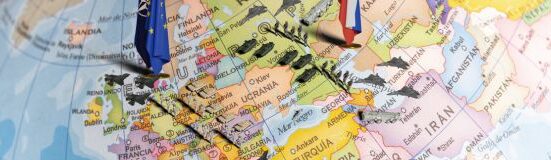


New U.S. sanctions target Rosneft and Lukoil to choke off Russia’s oil revenues—but experts say Moscow may still find ways to keep funding the Ukraine war.
Washington, D.C. — The United States has announced sweeping sanctions on Russia’s two largest oil companies, Rosneft and Lukoil, marking the first direct action by the current Trump administration against Moscow since the war in Ukraine began.
Speaking at the White House alongside NATO Secretary-General Mark Rutte, President Donald Trump said he hoped the measures would be temporary, but voiced frustration over stalled peace negotiations with Russian President Vladimir Putin.
“Every time I speak to Vladimir, I have good conversations—but they just don’t go anywhere,” Trump told reporters, after canceling a planned meeting with Putin in Budapest.
The move aims to cut off vital oil revenues that help fund Russia’s military operations in Ukraine. Hours before the announcement, Russia launched a new missile barrage on Kyiv, killing at least seven people, including children.
U.S. Treasury Secretary Scott Bessent said the sanctions were a response to “Putin’s refusal to end this senseless war,” adding that Rosneft and Lukoil “fund the Kremlin’s war machine.”
What the New Sanctions Do
The sanctions freeze all U.S.-based assets of Rosneft and Lukoil, and ban American entities from doing business with them or their 30 subsidiaries.
Rosneft, state-controlled and Russia’s second-largest company after Gazprom, produces nearly half of Russia’s oil output—around 6 percent of global supply. Lukoil, the largest private energy firm, handles a further 70 percent of Russia’s overseas oil exports.
Both companies have been hit hard by years of Western restrictions and falling oil prices. Rosneft reported a 68% drop in net income in early 2025, while Lukoil’s profits fell 27% in 2024.
The U.K. also announced matching sanctions last week, and the European Union is expected to unveil its 19th sanctions package, which includes a ban on Russian LNG imports.
Can Russia Evade the Sanctions?
Despite mounting pressure, Moscow has adapted before. After earlier U.S. and EU measures in 2022, Russia redirected oil exports to China and India using a vast “shadow fleet” of unregistered tankers and non-Western insurance channels.
China imported a record 109 million tonnes of Russian crude in 2024, while India bought 88 million tonnes, becoming two of Russia’s biggest buyers.
Trump has urged both Beijing and New Delhi to stop purchasing Russian oil, even imposing a 25% tariff on India in August. His new sanctions include secondary restrictions that could target foreign banks facilitating Russian oil sales.
“Any bank with U.S. exposure that helps process Russian oil deals could face penalties,” the U.S. Treasury Department warned.
Commodity trader Felipe Pohlmann Gonzaga said the “real hit” comes from these secondary sanctions:
“Chinese and Indian traders won’t want to lose access to the American financial system. That will make them more reluctant to buy—but it won’t stop it completely.”
According to Bloomberg, several Indian refinery executives said it would be “impossible” to continue purchases under the new restrictions.
Oil Prices React
Following the announcement, Brent crude prices surged 4% to $65 per barrel, while West Texas Intermediate rose 5% to $60. Analysts expect the spike to stabilize, citing weak global demand.
“This is a short-term reaction,” said Gonzaga. “The market will correct once the initial shock fades.”
The Bigger Picture
While Trump’s sanctions add new pressure on Russia’s war economy, experts believe they are unlikely to stop Putin’s campaign in Ukraine. As long as alternative buyers exist and shadow trading networks remain active, Moscow can still find ways to keep its oil flowing—and its war funded.