
Iranian missiles hit Dimona and Arad near nuclear site amid U.S. threats over Strait of Hormuz
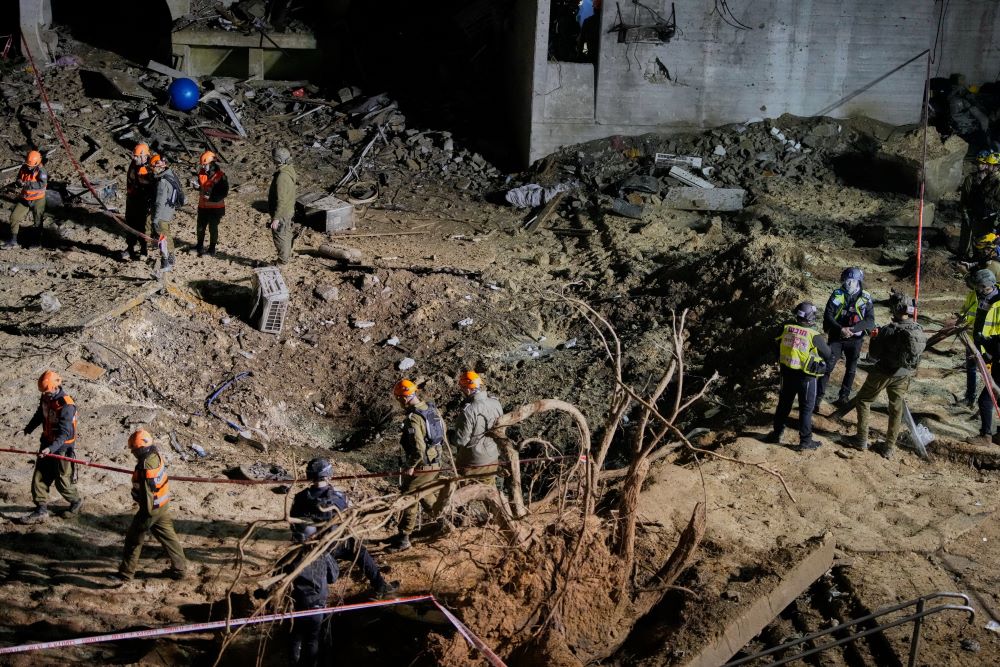
The Middle East conflict entered its fourth week with a dramatic escalation as Iran launched missiles at two southern Israeli cities, Dimona and Arad, close to the country’s main nuclear research center. Israeli authorities reported around 180 people injured, some seriously.
The strikes came after President Trump issued a 48-hour ultimatum, warning that the U.S. would “obliterate” Iran’s power plants if Tehran does not reopen the Strait of Hormuz, a crucial maritime route that carries roughly a fifth of the world’s oil. Iran has effectively restricted transit through the strait, targeting tankers and ships linked to “enemy” countries.
Iranian Retaliation Near Nuclear Facility
Iranian media confirmed the missile attacks were in response to last week’s Israeli strike on Iran’s Natanz nuclear site. The missiles managed to penetrate Israel’s sophisticated air defense systems, leaving large craters and destroyed buildings.
Arad: 116 injured
Dimona: 64 injured
The International Atomic Energy Agency reported no damage to the Dimona nuclear research center, but called for maximum military restraint near nuclear facilities.
U.S. and Gulf Tensions Rise
Trump’s ultimatum underscores the strategic importance of the Strait of Hormuz. Iran’s Revolutionary Guards warned they would completely close the strait if U.S. attacks on Iranian energy facilities proceed.
Across the Gulf, tensions mounted as:
Saudi Arabia intercepted one of three Iranian missiles fired overnight
UAE responded to Iranian drones and missiles targeting its territory
Gulf countries have expelled Iranian diplomats but not intervened militarily
Ongoing U.S.-Israel Strikes on Iran
Israel and the U.S. continued strikes against Iran, targeting over 8,000 military sites, including 130 vessels. According to Admiral Brad Cooper of U.S. Central Command, Iran’s combat capability is in steady decline, though the human cost has surpassed 1,300 civilian deaths.
Internet blackouts in Iran continue into the fourth week, compounding the distress of millions of civilians without independent news or alerts. Israel also maintained its bombardment of Lebanon, particularly Beirut, as Hezbollah remains active on the northern front.
Global Response
The G7 countries condemned Iran’s attacks on Gulf neighbors, emphasizing the need to protect maritime routes, ensure energy stability, and safeguard global supply chains. Japan also signaled it could send demining experts to the Strait of Hormuz if a ceasefire is achieved.
The situation highlights a dangerous cycle of retaliation that continues to threaten regional stability, energy markets, and civilian lives.
Source: NPR