
Long-Range Missiles and Drones Aim to Weaken Russia’s Economy and Push for Peace
Ukraine is betting on long-range strikes to change the course of the Russia–Ukraine war, targeting industrial sites, refineries, and key infrastructure deep inside Russia. With front-line movements stalled in a bloody stalemate, Ukrainian officials say these attacks could force the Kremlin to negotiate.
Over the past months, Ukraine’s arsenal of missiles and drones—including the newly unveiled Flamingo cruise missile—has reached much of western Russia, home to the country’s critical oil processing industry. The strategy, dubbed “long-range sanctions” by President Volodymyr Zelensky, aims to inflict economic damage and put pressure on a largely pacified Russian public.
Ukraine’s Strategy
From fending off Russia’s initial invasion with volunteer forces to lobbying for Western heavy weapons, Ukraine’s war effort has continually evolved. The current campaign focuses on striking deep inside Russia to maximize economic impact while signaling willingness to negotiate if Moscow reciprocates. Zelensky emphasized that repeated peace offers have been rejected, leaving Ukraine to ensure Russia bears the full cost of the war.
Weapons in Play
The strikes rely on missiles and drones with colorful names like Neptune, Flamingo, Furious, and Beaver. Some are derived from Ukraine’s Soviet-era arsenal, while others are the product of wartime startups. Compact drones can reach about 600 miles, theoretically enough to hit Moscow, and Ukraine is also in talks with the U.S. for Tomahawk missiles to expand its strike capabilities.
Targets and Impact
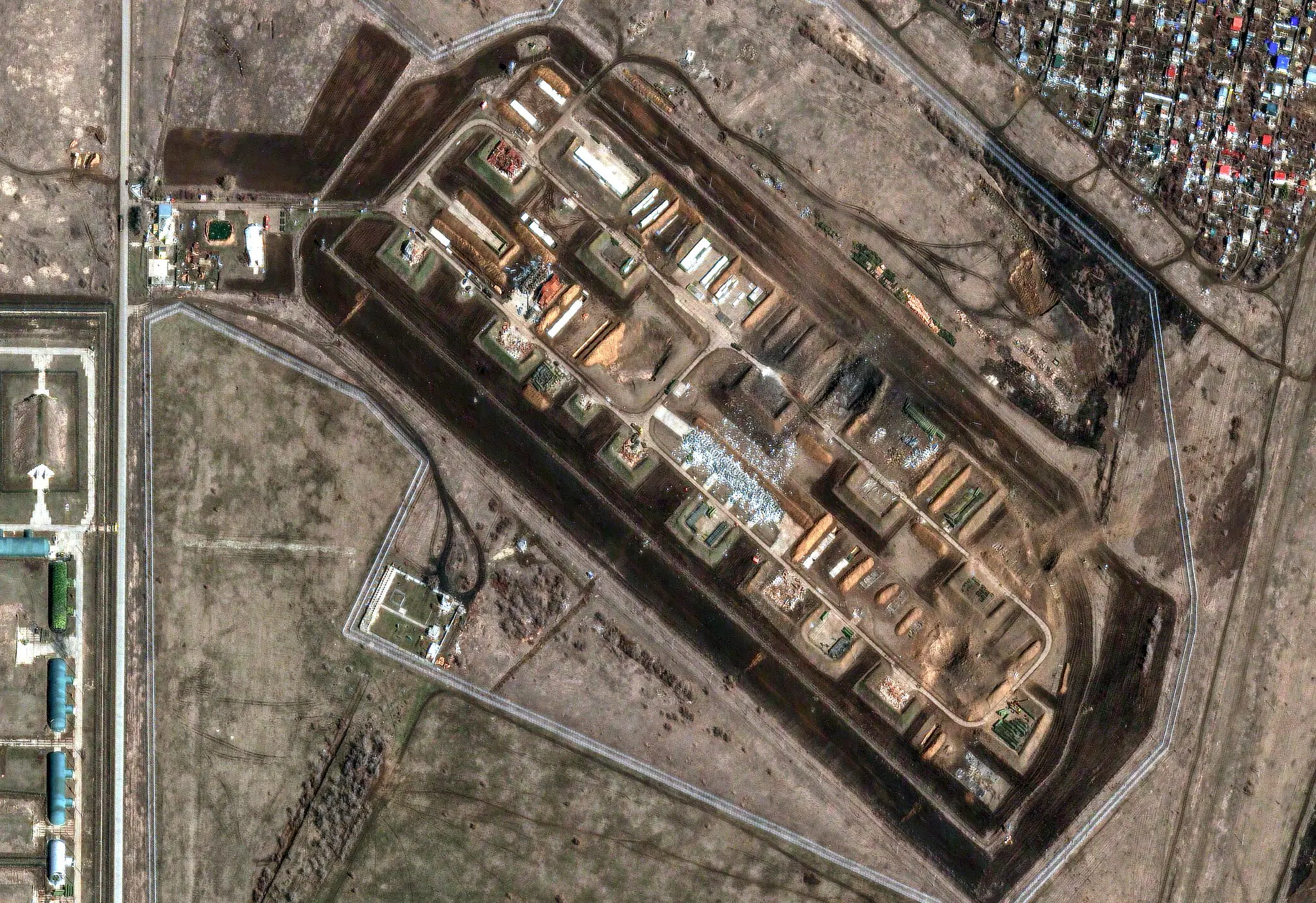
Ukrainian strikes have hit oil refineries, factories, ports, and rail lines, aiming to pressure both Russia’s economy and morale. While Kyiv insists it avoids targeting civilians, some leaders stress the need to hit strategically important sites in Moscow to influence Kremlin decisions. Fuel shortages in Russia have already caused long lines at gas stations, highlighting the real-world impact of these operations.
International Response
Ukraine’s campaign also supports U.S.-led peace initiatives, particularly under former President Donald Trump, who backs the strategy as a tool to signal strength in negotiations. Trump has criticized other administrations for limiting Ukraine’s ability to strike inside Russia and sees the deep-strike campaign as a way to push Moscow toward a settlement.
The success of this high-stakes strategy could determine the next phase of the Russia–Ukraine conflict, testing whether targeted strikes can turn the tide and bring negotiated peace closer to reality.