
Ceasefire aims to reopen Strait of Hormuz and pause Middle East conflict
The United States and Iran have agreed to a two-week ceasefire, brokered by Pakistan, potentially suspending a six-week-old war that has killed thousands, spread across the Middle East, and caused unprecedented disruptions to global energy markets.
President Donald Trump announced the truce on Tuesday, just hours before a deadline he set for Iran to reopen the blockaded Strait of Hormuz. The waterway handles about one-fifth of the world’s oil and liquefied natural gas shipments, and news of the deal caused oil prices to fall sharply and global stock markets to surge.
Iran’s Response and Public Reaction
Iran’s Foreign Minister Abbas Araghchi confirmed that Tehran would cease counter-attacks and allow safe passage through the Strait of Hormuz if attacks against it stopped. Crowds in Tehran celebrated in the streets, waving Iranian flags and burning US and Israeli flags, though some expressed caution about whether the ceasefire would hold.
“The enemy has suffered a historic defeat,” said Iran’s Supreme National Security Council, highlighting Iran’s ability to withstand US military power while maintaining control over Gulf energy supplies.
Israel’s Position and Regional Tensions
Israeli Prime Minister Benjamin Netanyahu supported the two-week pause but emphasized that it does not apply to operations in Lebanon, where Israel continues its campaign against Hezbollah. Israeli officials expressed concern that the ceasefire left Iran’s nuclear program and missile capabilities intact, calling the outcome a strategic setback. Opposition leaders in Israel described it as a diplomatic failure that could take years to repair.
Global Implications
While the ceasefire allows temporary resumption of shipping through the Gulf, companies like Maersk say they will base decisions on continuous risk assessments and security monitoring.
The US-Iran truce leaves key demands unresolved, including the status of Iran’s nuclear materials, enrichment program, ballistic missile capabilities, sanctions relief, and compensation for war damages. Talks in Islamabad are expected to address these issues over the next two weeks, though both sides remain wary and prepared for possible escalation.
What’s Next
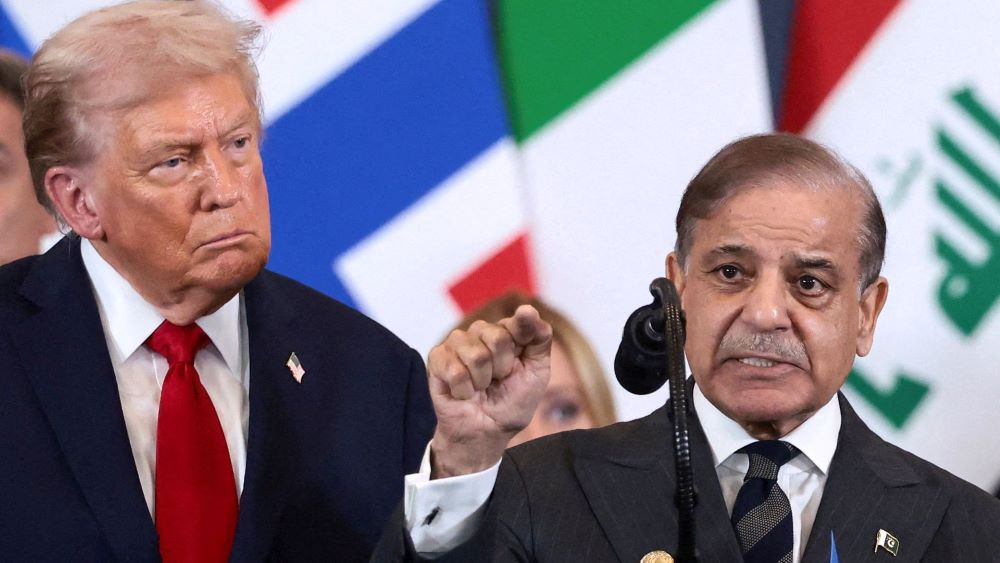
Pakistani Prime Minister Shehbaz Sharif invited delegations from both sides to negotiate a conclusive agreement in Islamabad. The coming days will test whether the ceasefire can be transformed into a longer-term peace deal, while the Middle East remains tense and energy markets closely watch developments in the Strait of Hormuz.
Source: Reuters