
Iran War Escalation Raises Fears Over Strait of Hormuz and Global Oil Prices
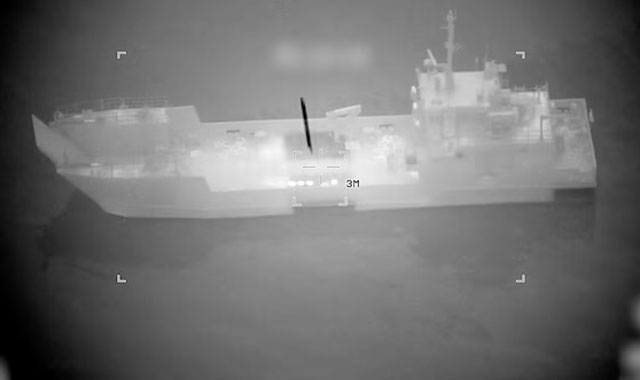
The United States military says it has destroyed 16 Iranian mine-laying vessels, intensifying tensions as Iran threatens to block oil exports through the Strait of Hormuz, a critical route for global energy supplies.
According to U.S. officials, the vessels were capable of laying naval mines in the strategic waterway, through which around 20% of the world’s oil shipments pass. The operation comes amid growing concerns that the Iran war escalation could disrupt global energy markets and regional security.
However, U.S. President Donald Trump stated on social media that there were no confirmed reports of mines actually being deployed in the Strait of Hormuz. Despite this, he warned that the United States would strike Iran at “a level never seen before” if the country attempted to mine the channel.
War Enters 11th Day with Intensifying Threats
As the conflict enters its 11th day, rhetoric between Washington and Tehran has grown increasingly hostile.
U.S. Defense Secretary Pete Hegseth warned that American forces were prepared for the most intense strikes yet, while the Pentagon revealed that several U.S. troops had been injured during operations in the region.
Iranian leaders, meanwhile, ruled out negotiations, issued warnings toward the United States, and launched new attacks targeting Israel and Gulf Arab states.
Regional Attacks Spread Across the Middle East
The war’s impact has spread across the region:
Israel reported intercepting missiles fired from Iran and Hezbollah.
Saudi Arabia said it intercepted missiles aimed at several locations, including Prince Sultan Air Base, a key U.S.–Saudi military facility.
Saudi air defenses also destroyed drones targeting major cities and the Shaybah oil field.
In Iraq, drones struck military bases inside Baghdad International Airport, including areas used by U.S.-led coalition forces.
Meanwhile, in Lebanon, Israeli airstrikes killed seven people, according to the Lebanese Health Ministry. Among the dead was a Red Cross rescuer who had been injured during an earlier strike while responding to victims.
Civilians Flee Heavy Bombing in Iran
Inside Iran, residents of Tehran reported some of the heaviest airstrikes since the war began. Witnesses described residential buildings being hit during overnight attacks.
Fearing further escalation, tens of thousands of civilians have fled major cities, seeking refuge in rural areas across the country.
Oil Markets Swing as Trump Considers Sanctions Relief
The conflict has sent global oil markets into turmoil. Prices surged to nearly $120 per barrel before dropping below $90 within 24 hours.
President Trump announced that the U.S. could temporarily lift sanctions on some oil-producing countries to stabilize global energy prices.
Washington currently maintains sanctions on Russia, Iran, and Venezuela, and reports suggest the administration is considering easing restrictions on Russian oil exports to maintain global supply.
Strait of Hormuz Crisis Threatens Global Energy Supply
The Strait of Hormuz, one of the world’s most critical energy corridors, has effectively slowed shipping as tensions rise.
With tanker traffic disrupted, major Gulf oil producers have begun cutting production, creating a backlog of oil shipments waiting to leave the region.
Energy analysts warn that if the Strait of Hormuz remains closed, oil prices could skyrocket to $150–$200 per barrel.
Homayoun Falakshahi, head of crude oil analysis at Kpler, said prices could surge if the situation continues.
“It is possible for prices to reach new all-time highs in the coming weeks if the Strait of Hormuz remains closed,” he said.
Uncertain End to the War
Despite the escalating conflict, Trump has sent mixed signals about how long the war could last.
At a recent news conference, he said the war could end “very soon”, but also insisted that military operations would continue until Iran is “totally and decisively defeated.”
The unfolding crisis has raised global concerns that the Iran war escalation could evolve into a wider regional conflict affecting energy supplies, international shipping, and global markets.
Source: Al Jazeera