
Sudan Mental Health Crisis Deepens as Doctors Restore War-Damaged Psychiatric Hospital
In war-torn Sudan, a small team of volunteers is working to rebuild one of the country’s oldest psychiatric hospitals, offering hope to thousands of people suffering from trauma, addiction, and mental health disorders caused by years of conflict.
The Al-Tijani Al-Mahi Hospital for Psychiatric and Neurological Diseases in Khartoum one of the oldest psychiatric facilities in Central and East Africa was severely damaged during the Sudan civil war between the Sudanese army and the Rapid Support Forces (RSF), which began on April 15, 2023.
Despite looting, destruction, and the collapse of much of the healthcare system, volunteer doctors and medical staff have begun restoring the hospital to help patients struggling with post-traumatic stress disorder (PTSD), depression, anxiety, and drug addiction.
Families Seeking Help After War Trauma
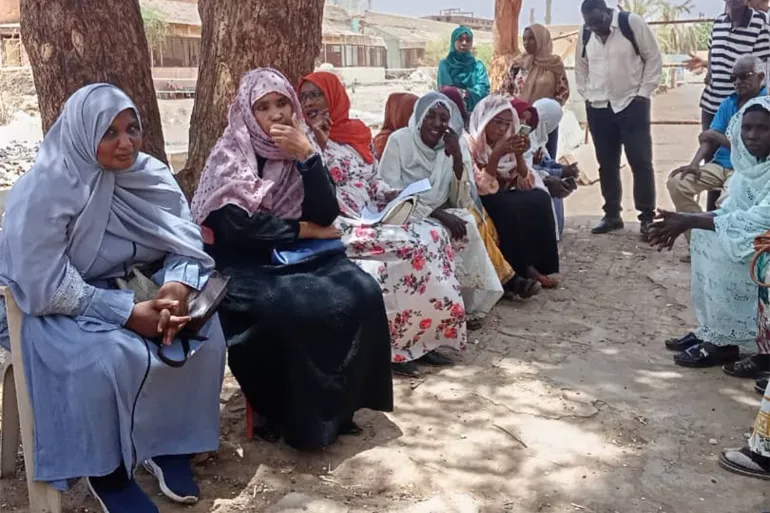
Among those seeking treatment is Rafeeda Abubakr, who returned to Khartoum with her family after being displaced by the war. Her 21-year-old son, Muaz, once a promising civil engineering student, developed a methamphetamine addiction during the family’s displacement.
The drug, locally known as “ice,” has spread rapidly across Sudan during the war, particularly among young people facing trauma and instability.
“When we heard the hospital had reopened and started treating war patients and addiction cases, we began coming every two weeks,” Rafeeda said. “The treatment is free, and I can see small improvements in my son.”
Hospital Devastated by War
Walking through the hospital grounds reveals the devastating impact of the conflict. Much of the medical equipment, beds, and furniture were looted, while bullet casings and shell fragments still litter the area.
The hospital, founded in 1971, once served thousands of psychiatric patients but suffered millions of dollars in damage when the war reached Omdurman, part of the greater Khartoum area.
Doctors Refuse to Give Up
In October 2024, Sudan’s Ministry of Health ordered the demolition of the damaged buildings. However, Dr Mai Mohamed Youssef, the hospital’s director, refused to accept the decision.
After years of working at the hospital, she and a small group of colleagues fought to reverse the demolition order.
In July 2025, Youssef returned to the facility with just one colleague and decided to reopen the hospital from scratch.
At first, the hospital had no electricity or running water, forcing staff to install solar panels to power basic operations.
Today, a team of nine volunteer doctors works at the outpatient clinic, treating between 60 and 70 patients every day.
Growing Mental Health Crisis in Sudan
The hospital’s reopening comes at a time when Sudan faces one of the worst humanitarian crises in the world.
According to the World Health Organization (WHO), more than 33.7 million people in Sudan need urgent humanitarian assistance, while over 9 million people are internally displaced and millions more have fled to neighboring countries.
Years of violence, displacement, and instability have left many people suffering from severe psychological trauma, yet nearly 40 percent of the country’s health facilities are no longer functioning.
Changing Attitudes Toward Mental Health
Despite the challenges, doctors say the war has brought one unexpected change less stigma around mental health treatment.
For many years, people in Sudan often sought help from traditional healers or religious leaders rather than medical professionals.
But the scale of the crisis has forced many families to seek psychiatric care for the first time.
“There is no alternative now,” said Dr Youssef. “People have realized that they need professional help.”
Hope for the Future
While inpatient care has not yet fully resumed, the hospital is gradually restoring its facilities and hopes to begin admitting patients within the next few months.
Plans are also underway to establish specialized treatment units for trauma and addiction, as well as a research center focused on substance abuse.
For now, the hospital continues to operate with solar power, volunteer doctors, and determination, offering a lifeline to people whose mental health has been shattered by war.
And every two weeks, Rafeeda and her son Muaz return for treatment—hoping that recovery is still possible even after the devastation of conflict.
Source: Al Jazeera